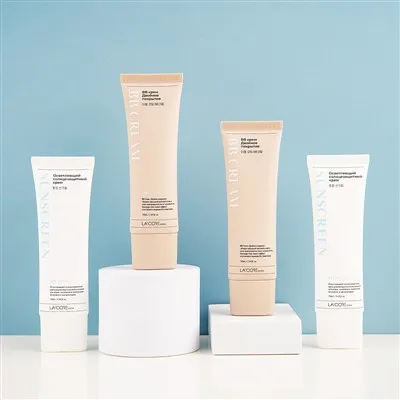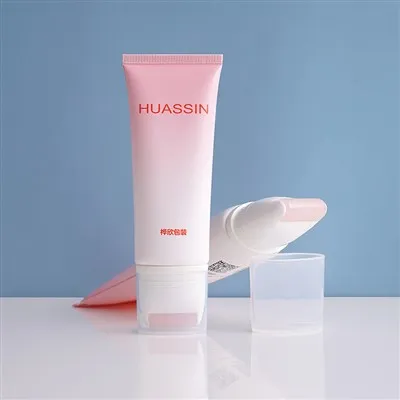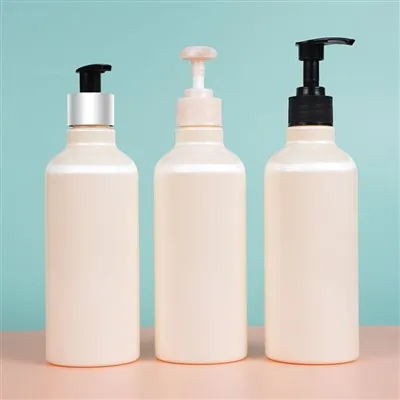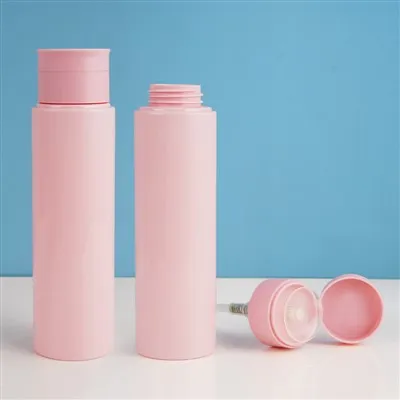

What is Plastic Bottles
Plastic bottles are containers made of plastic materials designed for storing liquids or beverages. They are commonly used in homes, restaurants, and various industries to store water, juice, soda, milk, and other liquids. These bottles are durable, lightweight, and easy to carry around, making them a convenient option for everyday use. They are available in various shapes, sizes, and colors, and can either be reusable or single-use. However, plastic bottles are environmentally harmful and contribute to plastic pollution if not disposed of properly.
Why Choose Us
Customer Service
We earn your respect by delivering on time and on budget. We built our reputation on exceptional customer service. Discover the difference it makes.
Expertise and Experience
Our team of experts have years of experience in delivering high quality services to our clients. We hire only the best professionals who have a proven track record of delivering exceptional results.
Quality Assurance
We have a rigorous quality assurance process in place to ensure that all our services meet the highest standards of quality. Our team of quality analysts checks each project thoroughly before it is delivered to the client.
One-stop service
We promise to provide you with the fastest reply, the best price, the best quality, and the most complete after-sales service.
-
![Cosmetic Capsule Shape Perfume Bottle]() Cosmetic Capsule Shape Perfume BottleThis capsule bottle has an exquisite shape, a transparent body, a metal-textured cap, and a spray design, making it both aesthetically pleasing and practical.read more
Cosmetic Capsule Shape Perfume BottleThis capsule bottle has an exquisite shape, a transparent body, a metal-textured cap, and a spray design, making it both aesthetically pleasing and practical.read more -
![300ml 650ml Round Shaped PET Plastic Packaging Skincare Containers Shampoo Container Lotion Pump Bottle]() 300ml 650ml Round Shaped PET Plastic Packaging Skincare C...This is our series of emulsion bottles, we can customize many colors, the color can refer to the Pantone color card, the capacity of this bottle is 300ml,650ml. The bottle can be used as a...read more
300ml 650ml Round Shaped PET Plastic Packaging Skincare C...This is our series of emulsion bottles, we can customize many colors, the color can refer to the Pantone color card, the capacity of this bottle is 300ml,650ml. The bottle can be used as a...read more -
![Foam Pump Packaging Bottle With Silicone Massage Brush]() Foam Pump Packaging Bottle With Silicone Massage BrushThis foam bottle with a silicone brush head gently cleanses the skin while dispensing foam. Its matte body is sleek and leak-proof, ideal for cleansers and mousses. The portable design makes daily...read more
Foam Pump Packaging Bottle With Silicone Massage BrushThis foam bottle with a silicone brush head gently cleanses the skin while dispensing foam. Its matte body is sleek and leak-proof, ideal for cleansers and mousses. The portable design makes daily...read more -
![Cosmetic Container Packaging Airless Pump Bottles]() Cosmetic Container Packaging Airless Pump BottlesThis vacuum press bottle features a minimalist pure white body and transparent cap, with a light and premium texture. The vacuum pump head enables precise dosage, isolating air to prevent content...read more
Cosmetic Container Packaging Airless Pump BottlesThis vacuum press bottle features a minimalist pure white body and transparent cap, with a light and premium texture. The vacuum pump head enables precise dosage, isolating air to prevent content...read more -
![White Plastic Lash Face Cleanser Foam Bottle]() White Plastic Lash Face Cleanser Foam BottleThis foam bottle features a minimalist white body and transparent cap, offering a light and portable feel. The press-type foam pump delivers fine, easy-to-spread foam. Made of safe and...read more
White Plastic Lash Face Cleanser Foam BottleThis foam bottle features a minimalist white body and transparent cap, offering a light and portable feel. The press-type foam pump delivers fine, easy-to-spread foam. Made of safe and...read more -
![Makeup Remover Nail Polish Packaging Bottle]() Makeup Remover Nail Polish Packaging BottleThis pink press bottle features a sleek, slender shape with a soft, smooth texture. Made of food-safe, non-toxic material, it has a precise press pump for controlled dispensing and a dust-proof,...read more
Makeup Remover Nail Polish Packaging BottleThis pink press bottle features a sleek, slender shape with a soft, smooth texture. Made of food-safe, non-toxic material, it has a precise press pump for controlled dispensing and a dust-proof,...read more -
![Lotion Container Bottle With Spray Pump]() Lotion Container Bottle With Spray PumpMade of high-transparency PET, this pink transparent spray bottle is lightweight and elegant. With gold/silver/pink spray pumps, it features delicate mist output, leak-proof sealing, and 120-150ml...read more
Lotion Container Bottle With Spray PumpMade of high-transparency PET, this pink transparent spray bottle is lightweight and elegant. With gold/silver/pink spray pumps, it features delicate mist output, leak-proof sealing, and 120-150ml...read more -
![100ml Toner Mist Spray Packaging Bottle]() 100ml Toner Mist Spray Packaging BottleThis gradient red spray bottle is made of PETG material, combining transparent texture and gradient color for an elegant look. Equipped with a fine mist pump, it delivers even and delicate spray...read more
100ml Toner Mist Spray Packaging BottleThis gradient red spray bottle is made of PETG material, combining transparent texture and gradient color for an elegant look. Equipped with a fine mist pump, it delivers even and delicate spray...read more -
![Lotion Plastic Bottle Pump Packaging Bottle]() Lotion Plastic Bottle Pump Packaging BottleThis press-type lotion bottle features a lockable pump head for precise dosage control and leak prevention, suitable for various products like skincare lotion, body milk and cleaning liquid. The...read more
Lotion Plastic Bottle Pump Packaging BottleThis press-type lotion bottle features a lockable pump head for precise dosage control and leak prevention, suitable for various products like skincare lotion, body milk and cleaning liquid. The...read more -
![PET Plastic Facial Cleanser Mousse Foam Soap Pump Bottles]() PET Plastic Facial Cleanser Mousse Foam Soap Pump BottlesThis foam bottle features a press-type pump head, which dispenses dense and delicate foam with one press, suitable for various products like facial mousse and cleansing foam. The matte white...read more
PET Plastic Facial Cleanser Mousse Foam Soap Pump BottlesThis foam bottle features a press-type pump head, which dispenses dense and delicate foam with one press, suitable for various products like facial mousse and cleansing foam. The matte white...read more -
![Transparent PET Face Lotion Packaging Bottle With Screw Cap]() Transparent PET Face Lotion Packaging Bottle With Screw CapBoth transparent PET bottles are made of food-grade material, offering a clear and lightweight feel. The one features a rounded body with a simple white cap, ideal for toiletries refilling. The...read more
Transparent PET Face Lotion Packaging Bottle With Screw CapBoth transparent PET bottles are made of food-grade material, offering a clear and lightweight feel. The one features a rounded body with a simple white cap, ideal for toiletries refilling. The...read more -
![250ml Body Lotion Bottle With Disc Top Cap]() 250ml Body Lotion Bottle With Disc Top CapMatte black bottles with gold hot-stamping exude luxury. The unique spherical cap design blends aesthetics and practicality. The capacity suits home and travel use, embodying an upscale body care...read more
250ml Body Lotion Bottle With Disc Top CapMatte black bottles with gold hot-stamping exude luxury. The unique spherical cap design blends aesthetics and practicality. The capacity suits home and travel use, embodying an upscale body care...read more -
![250ml Shampoo Gel Container Bottle With Disc Top Cap]() 250ml Shampoo Gel Container Bottle With Disc Top CapThis transparent green PET bottle with a black flip-top cap offers a fresh and premium look. Made from food-grade eco-friendly material, it ensures safety and reliability. The clear label provides...read more
250ml Shampoo Gel Container Bottle With Disc Top CapThis transparent green PET bottle with a black flip-top cap offers a fresh and premium look. Made from food-grade eco-friendly material, it ensures safety and reliability. The clear label provides...read more -
![Shampoo Container Packaging Bottle With Disc Top Cap]() Shampoo Container Packaging Bottle With Disc Top CapThis olive-green body lotion bottle features a sleek, rounded shape and matte finish for a premium, minimalist look. The white cap is both stylish and functional, while clear text and icons on the...read more
Shampoo Container Packaging Bottle With Disc Top CapThis olive-green body lotion bottle features a sleek, rounded shape and matte finish for a premium, minimalist look. The white cap is both stylish and functional, while clear text and icons on the...read more -
![Frosted Cylinder PET Plastic Packaging Toner Bottle]() Frosted Cylinder PET Plastic Packaging Toner BottleThe bottle design makes it convenient to hold and pour the liquid, allowing for precise control of the amount of toner used. As a container, it can store toner very well and is easy to carry,...read more
Frosted Cylinder PET Plastic Packaging Toner BottleThe bottle design makes it convenient to hold and pour the liquid, allowing for precise control of the amount of toner used. As a container, it can store toner very well and is easy to carry,...read more


Benefits of Plastic Bottles
Lightweight and Convenient
Plastic bottles are lightweight and easy to carry around, which makes them a great option for people who are always on the go.
Easily Recyclable
Plastic bottles are easily recyclable. They can be melted down and used to make new products.
Cost-effective
Compared to other materials, Plastic bottles are relatively low-cost. This makes them easily available and affordable to a wide range of people.
Versatile
Plastic bottles are versatile and can be used for a variety of purposes. They are used for packaging water, juices, soft drinks, cleaning agents, and other liquids.
Safe
The production of plastic bottles follows strict safety regulations set by regulatory bodies. They are chemically inert and do not react with the liquids inside, thus ensuring the safety and integrity of the products.
Durable
Plastic bottles are durable and can withstand harsh conditions making them a perfect container for products that require long-term storage.
Customizable
Manufacturers can produce plastic bottles of different shapes, sizes, and colors, making it easier to customize products to meet different customer needs.
Significant Reduction in Carbon Footprint
Plastic bottles weigh much less than other packaging materials. They require less energy to transport and have a lower carbon footprint.
Components of Plastic Bottles
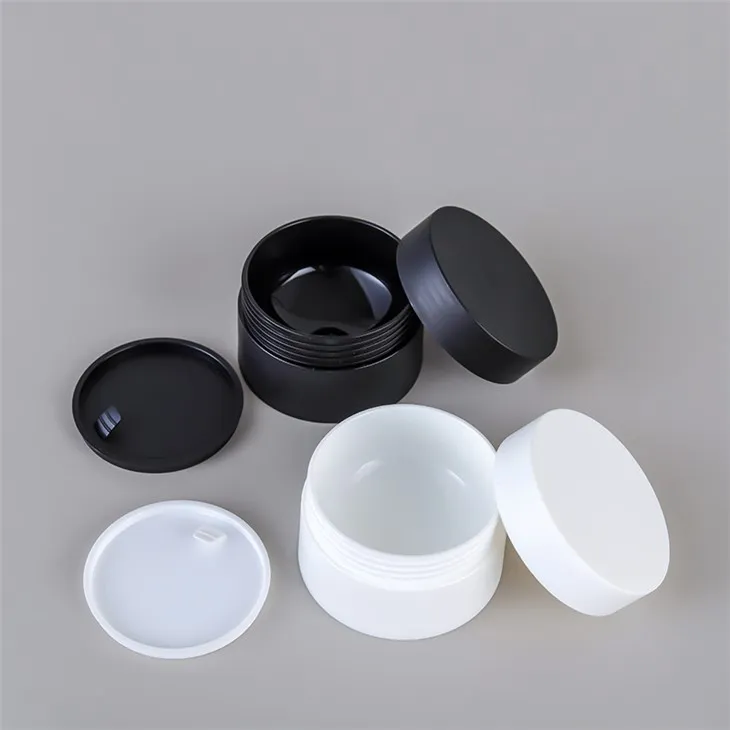


1. Polyethylene Terephthalate (PET): This is the most common plastic used in the production of water and soda bottles. It is known for its durability, clarity, and recyclability.
2. High-Density Polyethylene (HDPE): This plastic is used in the production of milk jugs, laundry detergent bottles, and other household products. It is known for its impact resistance and strength.
3. Polypropylene (PP): This plastic is used in the production of ketchup bottles, yogurt and margarine containers, and other types of food packaging. It is known for its heat resistance and ability to withstand microwave and dishwasher use.
4. Polyvinyl Chloride (PVC): This plastic is commonly used in the production of shower curtains, food wrapping, and medical devices. It is known for its flexibility and water resistance.
5. Polycarbonate (PC): This plastic is used in the production of reusable water bottles and baby bottles. It is known for its clarity, heat resistance, and durability.
6. Acrylonitrile Butadiene Styrene (ABS): This plastic is commonly used in the production of children's toys, electronics, and car parts. It is known for its impact resistance and durability.
7. Polystyrene (PS): This plastic is used in the production of disposable cups, plates, and cutlery, as well as CD cases and packaging materials. It is known for its light weight and ability to insulate heat.

The Makings of Plastic Bottles
PET is a form of polyester. It is a polymer primarily derived from petroleum hydrocarbons and is the result of a reaction between monomers ethylene glycol and terephthalic acid.
In the making of PET plastics, terephthalic acid is combined with Methanol to produce Dimethyl Terephthalate and water. This product is then combined with Ethylene Glycol at a temperature of 305 degrees Fahrenheit to create another substance, known as Bis(2-hydroxethyl) terephthalate and methanol.
In the final step, a polymer is formed while another molecule is released. This condensation polymerization process of the Bis(2-hydroxethyl) Terephthalate occurs in a vacuum at 530 degrees Fahrenheit, producing chains of PET and ethylene glycol, which is constantly removed during the polymerization process and used to make additional PET.
When the PET mixture reaches the right thickness, it is quickly cooled to prevent discoloration and degradation. It can later be reheated for additional uses.
The Bottle-Making Process
PET bottles are typically created using one of the three blow molding processes listed below.
Injection Blow Moulding
Ideal for smaller plastic bottles, the Injection Blow Moulding process can be used to mould a wide variety of polymers including PET and HDPE.
Extrusion Blow Moulding
The Extrusion Blow Moulding process involves extruding a melted plastic polymer, typically HDPE or LDPE into a hollow tube or “Parison”. During the Extrusion Shuttle Blow Moulding process two moulds shuttle back and forth to capture a continuously extruded parison.
Njection Stretch Blow Moulding Process
A wide variety of bottles, jars, and other containers can be moulded using the versatile Injection Stretch Blow Moulding Process. Preforms can be immediately molded into final containers via the 1-Step method, or saved as stock for later use in the 2-Step method.
The Inspection Process
Rigorous testing is performed on PET bottles as the last step in the manufacturing line before packing, ensuring they meet industry standards. Testing can include:
● Impact-resistance testing
● Pressure testing
● Permeability testing
● Transparency inspection
Manufacturers also test to ensure there is consistency in the size, shape, and finish of the end product before packaging and shipping to the final destination.

Types of Plastic Bottles
1. Polyethylene terephthalate (PET) bottles: These are the most common type of plastic bottles that are used for water bottles, soda bottles, and other carbonated drinks.
2. High-density polyethylene (HDPE) bottles: Often used for toiletry products and household cleaners, these bottles are lightweight, sturdy, and can be opaque.
3. Polypropylene (PP) bottles: Commonly used for food products, such as ketchup and peanut butter, these bottles are heat-resistant and durable.
4. Polycarbonate (PC) bottles: Used for reusable water bottles and baby bottles, these bottles are shatter-resistant and can withstand high temperatures.
5. Low-density polyethylene (LDPE) bottles: Used for squeeze bottles and other soft, flexible containers, these bottles are lightweight and easy to carry.
6. Polyvinyl chloride (PVC) bottles: Often used for medical products and cleaning supplies, these bottles are heat-resistant and chemical-resistant.
7. Biodegradable plastic bottles: Made from biodegradable polymers, these bottles break down more quickly than traditional plastic bottles and are an environmentally friendly alternative.
As mentioned above, plastic bottles are commonly made of PET, PP, PC, and PE. PE is often referred to as LDPE (Low-Density Polyethylene) or HDPE (High-Density Polyethylene). We'll be examining how each material affects the bottle manufacturing process below.
PET (Polyethylene Terephthalate)
Polyethylene Terephthalate is a thermoplastic polymer that can be either opaque or transparent, depending on the exact material composition. As with most plastics, PET is produced from petroleum hydrocarbons, through a reaction between ethylene glycol and terephthalic acid. The PET is polymerized to create long molecular chains, which allows it to produce PET bottles later on.
Polymerization itself can be a complicated process and accounts for many of the inconsistencies between one batch of manufactured PET and another. Typically, two kinds of impurities are produced during polymerization: diethylene glycol and acetaldehyde. Although diethylene glycol is generally not produced in high enough amounts to affect PET, acetaldehyde can not only be produced during polymerization but also during the bottle manufacturing process. A large amount of acetaldehyde in PET used for bottle manufacturing can give the beverage inside an odd taste.
Once the plastic itself has been manufactured, the PET bottle manufacturing process can begin. To ensure that the plastic is appropriate for use, numerous tests are done post-manufacturing to check that the bottles are impermeable by carbon dioxide (which is important for bottles that carry soda). Other factors, such as transparency, gloss, shatter resistance, thickness, and pressure resistance, are also carefully monitored.
LDPE/HDPE (Low- and High-Density Polyethylene)
Another thermoplastic, polyethylene is used for manufacturing blow-molded milk and water jugs, detergent bottles, ketchup bottles, spray bottles, and other products. Both LDPE and HDPE can be thermoformed, blow-molded, injection-molded, etc. LDPE was one of the first plastics to be blow molded and today it is still used for making squeezable bottles, as it has high ductility compared with HDPE, but lower strength. HDPE is used for many forms of pourable bottles. The material in its natural form is usually white or black and becomes translucent when thinned to the dimensions of milk bottles and the like. Suppliers can adjust formulation to increase tear strength, transparency, formability, printability, or other parameters.
Polyethylene is composed of a single monomer, ethylene, making it a homopolymer. LDPE is amorphous while HDPE is crystalline which accounts for LDPE's greater ductility and HDPE's higher rigidity. Polyethylene is more expensive than polypropylene – the cheapest of the thermoplastics – though the two share many applications.
PP (Polypropylene)
Polypropylene resin is a usually opaque, low-density polymer with excellent thermoforming and injection molding characteristics. For bottles, It competes primarily against polyethylene and can be made transparent for see-through applications, while polyethylene can only be made translucent, as in milk jugs, for example. Polypropylene cannot match the optical clarity of polymers such as polycarbonate, but it does quite well. Its low viscosity at melt temperatures makes it well suited to extrusion and molding applications, including blow molding.
For more information about PP, please see our polypropylene resins article.
PC (Polycarbonate)
Polycarbonates are manufactured by polymerization of bisphenol A (C15H16O2) and phosgene (COCl2). It is a costly material compared with other bottle-making polymers, so its use is restricted primarily to high-end reusable bottles such as nursing bottles or those found on water coolers or in lab settings. The material has excellent optical properties and strength, making it suitable for bottles that must display their contents with the transparency of glass but which also must be able to cope with repeated, and sometimes rough, handling. The material withstands repeated washings and is autoclavable.
Plastic bottles can be made of various materialsplastic
Polystyrene (PS): This plastic is used in the production of disposable cups, plates, and cutlery, as well as CD cases and packaging materials. It is known for its light weight and ability to insulate heat.
Polyethylene terephthalate (PET or PETE)
This is the most common plastic used for soda, water, and juice bottles.
High-density polyethylene (HDPE)
This is a more durable and rigid plastic used for milk jugs and detergent bottles.
Low-density polyethylene (LDPE)
This is a more flexible plastic used for squeeze bottles and plastic bags.
Polypropylene (PP)
This is a heat-resistant plastic used for food packaging and microwave-safe containers.
Polycarbonate (PC)
This plastic is used in the production of reusable water bottles and baby bottles. It is known for its clarity, heat resistance, and durability.
Acrylonitrile Butadiene Styrene (ABS)
This plastic is commonly used in the production of children's toys, electronics, and car parts. It is known for its impact resistance and durability.
What are the Applications of Plastic Bottles
Food Packaging: Plastic bottles are extensively used for packaging a variety of food items such as sauces, dressings, condiments, and beverages like juices and mineral water.
Personal Care Products: Plastic bottles are commonly used to package a wide range of personal care products like shampoos, conditioners, lotions, and body wash.
Pharmaceuticals: Medicine and other pharmaceuticals are also packaged in plastic bottles. These bottles provide a safe and secure storage solution for medications, vitamins, and other supplements.
Cleaning Products: Cleaning agents like dishwashing detergents, laundry detergents, and floor cleaners are packaged in plastic bottles.
Industrial and Chemicals: Chemicals and other industrial products like lubricants, oils, and paints are also packaged in plastic bottles because of their durability and leak-proof nature.
Agricultural Products: Fertilizers and pesticides are sealed in plastic bottles to ensure proper storage and transportation of these dangerous substances.
Cosmetics: Plastic bottles are extensively used in the cosmetics industry for packaging products like perfumes, nail enamel, and hair products.
Pet Supplies: Plastic bottles are used for packaging pet food, pet shampoos, and other pet-related products.
Maintenance Tips for Plastic Bottles
1. Wash plastic bottles thoroughly with warm water and soap before using them for the first time.
2. Rinse the bottles with clean water after each use to remove any leftover residue.
3. Avoid storing plastic bottles in direct sunlight, as UV radiation can break down the plastic and affect the quality of the water.
4. Don't use plastic bottles to store hot liquids, as heat can cause the plastic to release harmful chemicals.
5. Consider using a bottle brush to clean the inside of the bottle, especially if you've been using it to store sugary or acidic drinks, as these can leave residue that can be hard to remove.
6. Rotate your plastic bottles regularly to ensure they're all being used and cleaned regularly. Avoid leaving water in bottles for prolonged periods of time.
7. Discard any plastic bottles that are cracked, leaking, or have any foul odors.
Our Factory
Guangzhou Huaxin Plastic Product Co.,Ltd. is specialized in high quality plastic tubes and PET bottles .We have our workmanship,color,design,and durability .Our products are used in packaging of cosmetic, food, medicine and other industries. Most of products are exported to America, Europe, Japan and Southeast Asia.etc.they are widely praised by our clients. There are all kinds of plastic tubes and PET bottles in HUAXIN. We can make capacity of tubes from 3ml -400ml and our capacity of PET bottles from 30ml to 1000ml . There are various round shape and oval shape to match hundreds of caps or pumps. We are versed in development and design to meet different requests from the clients. Huaxin packaging focus on processing and customization for 12 years .we has passed SGS Authentication it introduce advanced equipment and technique from other parts of the country and other countries.

Our Certificate
Hua Xin has passed SGS Authentication it introduce advanced equipment and technique from other parts of the country and other countries. The product is controlled by the quality management system ISO9001; 2008, our roll material are imported with original package made by new technique, our product are strong acid proof, good adhesiveness, high toughness the process is included extrusion, injection, offset printing, silkscreen printing, hot stamping, labeling, QC and packing.


FAQ
Guangzhou Huaxin Plastic Products Co., Ltd. is one of China's successful plastic bottles manufacturers and suppliers, we'll offer you quality wholesale and customized services with low price. Feel free to buy discount plastic bottles here. For price list and free sample, welcome to contact us.
-
![Flat Oval Squeeze Sunscreen BB Cream Tube]() Flat Oval Squeeze Sunscreen BB Cream TubeFrom the appearance, the flat tube packaging material breaks through the shackles of the traditional round tube,...read more
Flat Oval Squeeze Sunscreen BB Cream TubeFrom the appearance, the flat tube packaging material breaks through the shackles of the traditional round tube,...read more -
![D40 Face Cream Foundation Container Neck Cream Tube With Roller Applicator]() D40 Face Cream Foundation Container Neck Cream Tube With Roller ApplicatorThe neck cream is packed in a tube, which has excellent sealing performance, effectively isolates air and bacteria,...read more
D40 Face Cream Foundation Container Neck Cream Tube With Roller ApplicatorThe neck cream is packed in a tube, which has excellent sealing performance, effectively isolates air and bacteria,...read more -
![40ml Skin Care Cosmetics Lotion Tube Packaging Airless Pump Tube]() 40ml Skin Care Cosmetics Lotion Tube Packaging Airless Pump TubeThis is a relatively new product. This hose is made of aluminum-plastic material and equipped with a vacuum pump...read more
40ml Skin Care Cosmetics Lotion Tube Packaging Airless Pump TubeThis is a relatively new product. This hose is made of aluminum-plastic material and equipped with a vacuum pump...read more -
![Cosmetic Capsule Shape Perfume Bottle]() Cosmetic Capsule Shape Perfume BottleThis capsule bottle has an exquisite shape, a transparent body, a metal-textured cap, and a spray design, making it...read more
Cosmetic Capsule Shape Perfume BottleThis capsule bottle has an exquisite shape, a transparent body, a metal-textured cap, and a spray design, making it...read more -
![300ml 650ml Round Shaped PET Plastic Packaging Skincare Containers Shampoo Container Lotion Pump Bottle]() 300ml 650ml Round Shaped PET Plastic Packaging Skincare Containers Shampoo Co...This is our series of emulsion bottles, we can customize many colors, the color can refer to the Pantone color card,...read more
300ml 650ml Round Shaped PET Plastic Packaging Skincare Containers Shampoo Co...This is our series of emulsion bottles, we can customize many colors, the color can refer to the Pantone color card,...read more -
![Foam Pump Packaging Bottle With Silicone Massage Brush]() Foam Pump Packaging Bottle With Silicone Massage BrushThis foam bottle with a silicone brush head gently cleanses the skin while dispensing foam. Its matte body is sleek...read more
Foam Pump Packaging Bottle With Silicone Massage BrushThis foam bottle with a silicone brush head gently cleanses the skin while dispensing foam. Its matte body is sleek...read more -
![300ml 350ml PET Transparent Packaging Cream Jar]() 300ml 350ml PET Transparent Packaging Cream JarThese clear plastic jars are made of food-grade PET material with black screw-on lids, offering excellent sealing to...read more
300ml 350ml PET Transparent Packaging Cream JarThese clear plastic jars are made of food-grade PET material with black screw-on lids, offering excellent sealing to...read more -
![PET Plastic Solid Aromatherapy Jar With Hollow Aluminum Lid]() PET Plastic Solid Aromatherapy Jar With Hollow Aluminum LidThe bottle body is made of high-quality plastic, which is light but very strong, which is convenient to carry and...read more
PET Plastic Solid Aromatherapy Jar With Hollow Aluminum LidThe bottle body is made of high-quality plastic, which is light but very strong, which is convenient to carry and...read more -
![Cosmetic Container Packaging Airless Pump Bottles]() Cosmetic Container Packaging Airless Pump BottlesThis vacuum press bottle features a minimalist pure white body and transparent cap, with a light and premium...read more
Cosmetic Container Packaging Airless Pump BottlesThis vacuum press bottle features a minimalist pure white body and transparent cap, with a light and premium...read more -
![White Plastic Lash Face Cleanser Foam Bottle]() White Plastic Lash Face Cleanser Foam BottleThis foam bottle features a minimalist white body and transparent cap, offering a light and portable feel. The...read more
White Plastic Lash Face Cleanser Foam BottleThis foam bottle features a minimalist white body and transparent cap, offering a light and portable feel. The...read more -
![Makeup Remover Nail Polish Packaging Bottle]() Makeup Remover Nail Polish Packaging BottleThis pink press bottle features a sleek, slender shape with a soft, smooth texture. Made of food-safe, non-toxic...read more
Makeup Remover Nail Polish Packaging BottleThis pink press bottle features a sleek, slender shape with a soft, smooth texture. Made of food-safe, non-toxic...read more -
![Lotion Container Bottle With Spray Pump]() Lotion Container Bottle With Spray PumpMade of high-transparency PET, this pink transparent spray bottle is lightweight and elegant. With gold/silver/pink...read more
Lotion Container Bottle With Spray PumpMade of high-transparency PET, this pink transparent spray bottle is lightweight and elegant. With gold/silver/pink...read more