
Can a foam pump be used for dish soap?
As a supplier of foam pumps, I often get asked whether a foam pump can be used for dish soap. This is a valid question, considering the different properties of dish soap and the requirements of a foam - generating mechanism. In this blog post, I'll explore the feasibility of using a foam pump for dish soap, the advantages and disadvantages, and some considerations when making a choice.
The Feasibility of Using a Foam Pump for Dish Soap
Dish soap is designed to cut through grease, remove food residues, and clean dishes effectively. It typically has a relatively thick consistency and contains surfactants that create bubbles. Foam pumps, on the other hand, are engineered to convert a liquid into a rich foam. They work by mixing air with the liquid as it is dispensed, creating a lightweight and airy foam.
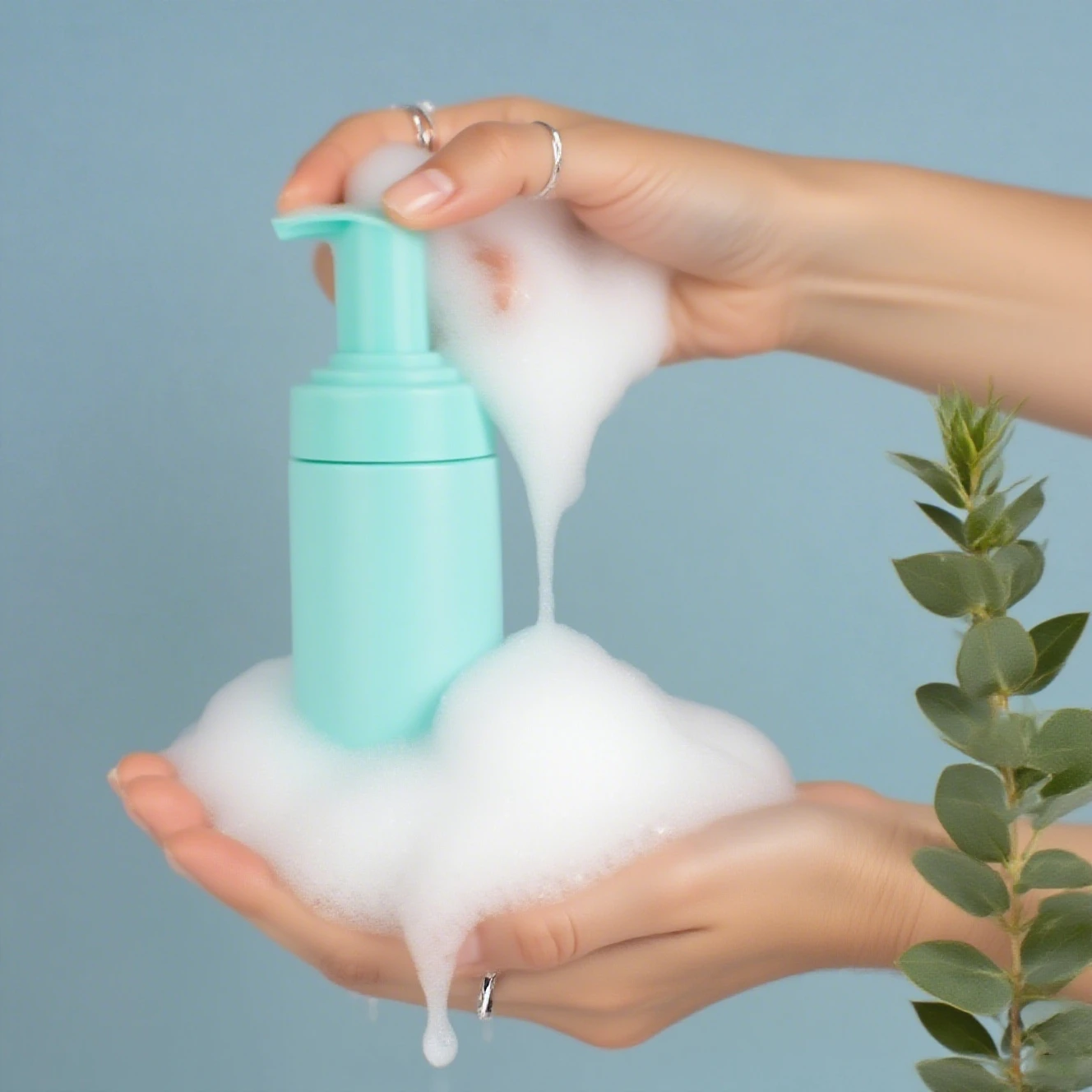
The good news is that, in most cases, a foam pump can be used for dish soap. The surfactants in dish soap are conducive to foam formation, which aligns well with the function of a foam pump. When you use a foam pump with dish soap, you'll notice that the soap comes out as a thick, rich foam instead of a liquid stream. This foam makes the dish - washing process more enjoyable and can potentially enhance the cleaning efficiency.
Advantages of Using a Foam Pump with Dish Soap
-
Better Coverage
Foam has a larger surface area compared to liquid. When you apply foamy dish soap to your dishes, it spreads more evenly and covers a greater area. This means that you can clean more dishes with less soap, as the foam adheres to the surfaces better and penetrates into crevices more effectively. -
Easier to Dispense
A foam pump provides a controlled and convenient way to dispense dish soap. You can simply press the pump head, and a measured amount of foam comes out. This is much easier than squeezing a liquid bottle, especially when your hands are wet or slippery. You can avoid over - pouring and wasting soap, which is not only cost - effective but also more environmentally friendly. -
Enhanced Cleaning Experience
The act of using foamy dish soap can be more satisfying and less messy. The foam feels soft on your hands, and it gives the impression of a more thorough clean. It can make the chore of washing dishes seem less like a burden and more like a pleasant task, which might even encourage people to keep their dishes cleaner more regularly.
Disadvantages and Considerations
-
Formula Compatibility
While most dish soaps are suitable for use with foam pumps, some specialized formulations might not work as well. For example, if a dish soap has a very high viscosity or contains ingredients that could clog the pump mechanism, it may cause problems. Very thick dish soaps might not flow through the pump easily, and ingredients like certain oils or solids could build up over time and block the small channels in the pump. -
Dilution Requirements
In some cases, the dish soap may need to be diluted slightly to work optimally with a foam pump. The pump is designed to work with a liquid that has a certain consistency, and if the dish soap is too thick, adding a small amount of water can help it flow through the pump and create a better foam. However, you need to be careful not to over - dilute the soap, as this could reduce its cleaning power. -
Pump Quality and Durability
Not all foam pumps are created equal. When using a foam pump for dish soap, you need to ensure that it is of high - quality. As dish soap can be slightly abrasive due to its cleaning agents, a low - quality pump may wear out more quickly. Look for a pump that is made from durable materials and has a well - designed mechanism to ensure long - term performance.
Our Product: Plastic 28 410 Foam Pump
If you're considering using a foam pump for your dish soap, I'd like to introduce our Plastic 28 410 Foam Pump. This foam pump is made from high - quality plastic, which makes it resistant to the chemicals in dish soap. It has a precise and reliable mechanism that can generate a rich, consistent foam with each use.
The 28 410 specification refers to the pump's neck size and threading, which is a common standard, making it compatible with a wide range of bottles. Whether you are a household user looking to upgrade your dish - soap bottle or a business in the consumer goods industry, our Plastic 28 410 Foam Pump can be a great choice.
Tips for Using a Foam Pump with Dish Soap
-
Pre - cleaning the Pump
Before installing the foam pump on a dish - soap bottle, it's a good idea to rinse the pump with clean water. This helps to remove any debris or manufacturing residues that could affect the pump's performance. -
Proper Installation
Make sure to install the foam pump correctly on the bottle. Ensure that it is tightly secured to prevent leaks. If the pump is not installed properly, air may enter the system in an uncontrolled way, which can lead to inconsistent foam production.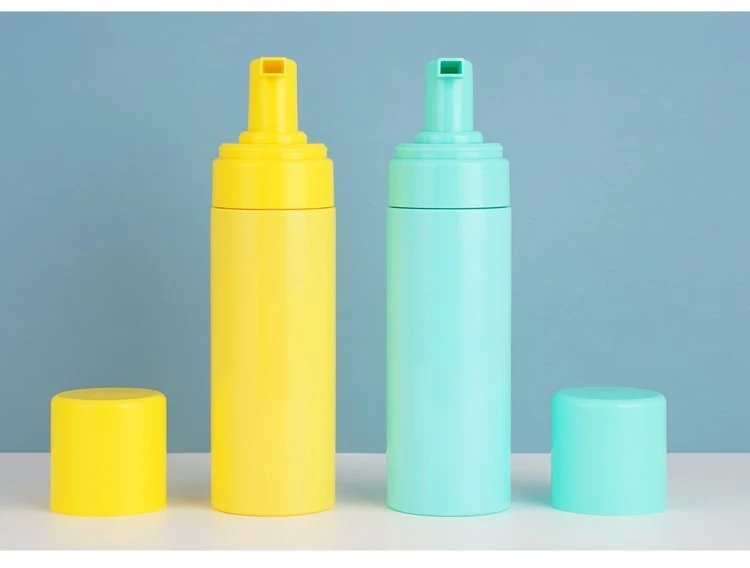
-
Maintenance
Regular maintenance can extend the life of your foam pump. If you notice that the foam quality is deteriorating or the pump is becoming harder to press, you can try disassembling the pump (following the manufacturer's instructions) and cleaning it with warm, soapy water.
Conclusion
In conclusion, a foam pump can definitely be used for dish soap, and it offers several advantages in terms of coverage, ease of use, and the overall cleaning experience. However, it's important to consider formula compatibility, possible dilution requirements, and the quality of the pump. Our Plastic 28 410 Foam Pump is a reliable option for those looking to switch to a foaming dish - soap solution.
If you're interested in learning more about our foam pumps or would like to discuss a potential purchase, please feel free to reach out. We are more than happy to help you find the perfect solution for your dish - soap packaging needs. Whether you're a retailer in need of a bulk order or an individual looking for a single pump, we can provide you with high - quality products and excellent customer service.
References
- Smith, J. (2022). "Consumer Product Packaging: The Role of Foam Pumps." Packaging Journal, 15(3), 45 - 52.
- Johnson, A. (2021). "Dish Soap Formulations and Their Compatibility with Dispensing Systems." Cleaning Products Research, 22(1), 78 - 85.