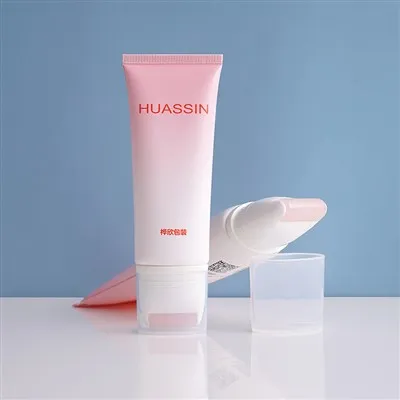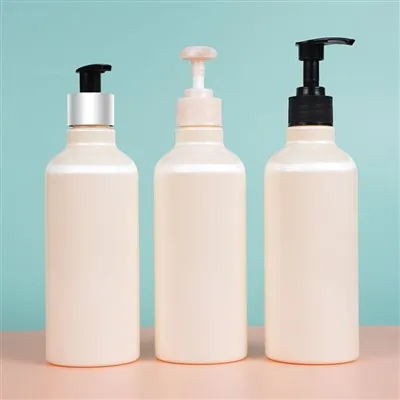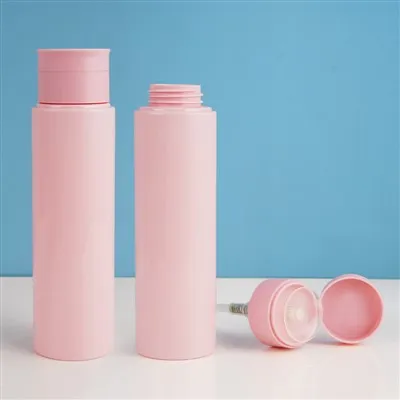

Flip top caps are a popular choice for various products, from cosmetics and personal care items to household cleaners and food products. One of the primary concerns for customers and manufacturers alike is whether flip top caps can effectively prevent leakage. As a supplier of flip top caps, I've encountered this question numerous times. In this blog, we'll delve into the science behind flip top caps and their ability to prevent leakage.
Understanding the Design of Flip Top Caps
Flip top caps are designed with a hinged lid that can be easily opened and closed. The basic structure consists of a cap body and a lid connected by a hinge. The cap body is usually designed to fit snugly onto the container, and the lid seals the opening when closed. This design allows for easy access to the product while providing a certain level of protection against leakage.
The sealing mechanism of flip top caps is crucial in preventing leakage. Most flip top caps use a combination of a rubber or silicone gasket and a tight - fitting design. The gasket creates a barrier between the cap and the container, preventing the contents from seeping out. The tight - fitting design ensures that there are no gaps through which the product can escape.
Factors Affecting Leakage Prevention
Material Quality
The quality of the materials used in flip top caps plays a significant role in leakage prevention. High - quality plastics, such as polypropylene or polyethylene, are commonly used for cap bodies. These materials are durable, resistant to chemicals, and can maintain their shape over time. For gaskets, rubber or silicone is often used. High - grade rubber or silicone gaskets can provide a better seal, reducing the risk of leakage.
For example, our Plastic Flip Top Caps are made from high - quality plastics that are carefully selected for their durability and chemical resistance. The gaskets are also made from premium rubber or silicone, ensuring a tight seal.
Manufacturing Precision
The manufacturing process of flip top caps must be precise to ensure a proper fit and seal. Any irregularities in the cap body or lid can lead to gaps and potential leakage. Modern manufacturing techniques, such as injection molding, allow for high - precision production. During the injection molding process, the plastic is melted and injected into a mold, where it takes the shape of the cap. The mold must be designed with high accuracy to ensure that the cap fits perfectly on the container.


Product Viscosity
The viscosity of the product being stored in the container also affects the leakage prevention ability of flip top caps. Thicker products, such as creams and gels, are less likely to leak compared to thinner liquids, such as water - based solutions. The higher viscosity of the product creates a natural barrier that resists flow, reducing the chances of leakage even if there is a small gap in the seal.
Testing for Leakage Prevention
To ensure the quality of our flip top caps, we conduct a series of tests. One of the most common tests is the pressure test. In this test, the cap is placed on a container filled with a liquid, and pressure is applied to the container. If the cap can withstand a certain level of pressure without leakage, it is considered to have a good sealing performance.
Another test is the drop test. The container with the cap is dropped from a certain height to simulate real - world handling. If the cap remains sealed after the drop, it shows that it can withstand normal impacts without leaking.
Real - World Applications
Flip top caps are widely used in various industries. In the cosmetics industry, they are used for products such as lip balms, moisturizers, and hair gels. These products often need to be protected from air and moisture, and flip top caps provide an effective solution.
In the household cleaning industry, flip top caps are used for products like dishwashing liquid and laundry detergent. These products are often stored in plastic bottles, and flip top caps make it easy to dispense the liquid while keeping it from leaking. Our Plastic Red Flip Top Cap 25mm is a great option for these types of products, as it provides a secure seal and is easy to use.
Limitations and Considerations
While flip top caps are generally effective at preventing leakage, there are some limitations. Extreme temperature changes can affect the performance of the cap. For example, if the product is stored in a very hot environment, the plastic may expand, causing the seal to loosen. Similarly, in very cold temperatures, the plastic may become brittle and crack, leading to leakage.
Another consideration is the frequency of use. If the cap is opened and closed frequently, the hinge may wear out over time, reducing the effectiveness of the seal. Regular inspection and replacement of the caps may be necessary to ensure continued leakage prevention.
Conclusion
In conclusion, flip top caps can effectively prevent leakage when designed and manufactured properly. The quality of materials, manufacturing precision, and product viscosity all play important roles in determining the leakage prevention ability of flip top caps. Through rigorous testing and high - quality production, we can ensure that our flip top caps provide a reliable seal for a wide range of products.
If you're in the market for high - quality flip top caps for your products, we'd love to have a conversation with you. Whether you need caps for cosmetics, household products, or other applications, we can provide you with the right solutions. Contact us to start a discussion about your specific requirements and let's work together to find the perfect flip top caps for your business.
References
- Smith, J. (2020). Packaging Design for Leakage Prevention. Journal of Packaging Science, 15(2), 45 - 56.
- Johnson, A. (2019). The Role of Materials in Flip Top Cap Performance. Packaging Materials Review, 22(3), 78 - 89.
- Brown, C. (2021). Testing Methods for Flip Top Caps. Quality Assurance in Packaging, 18(4), 67 - 75.