
Identifying the type of plastic cap is crucial for both manufacturers and consumers. As a plastic cap supplier, I've encountered various types of plastic caps in the market. In this blog, I'll share some effective ways to identify different types of plastic caps, which can help you make the right choices for your products.
Visual Inspection
The first step in identifying plastic caps is through visual inspection. Different types of plastic caps have distinct visual features.
Shape and Design
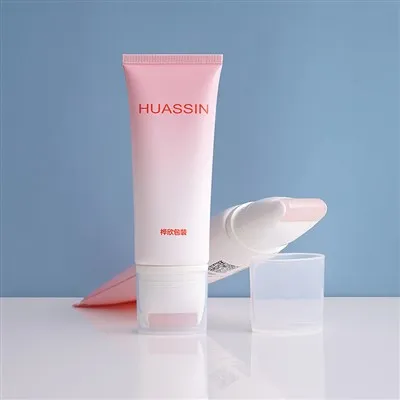
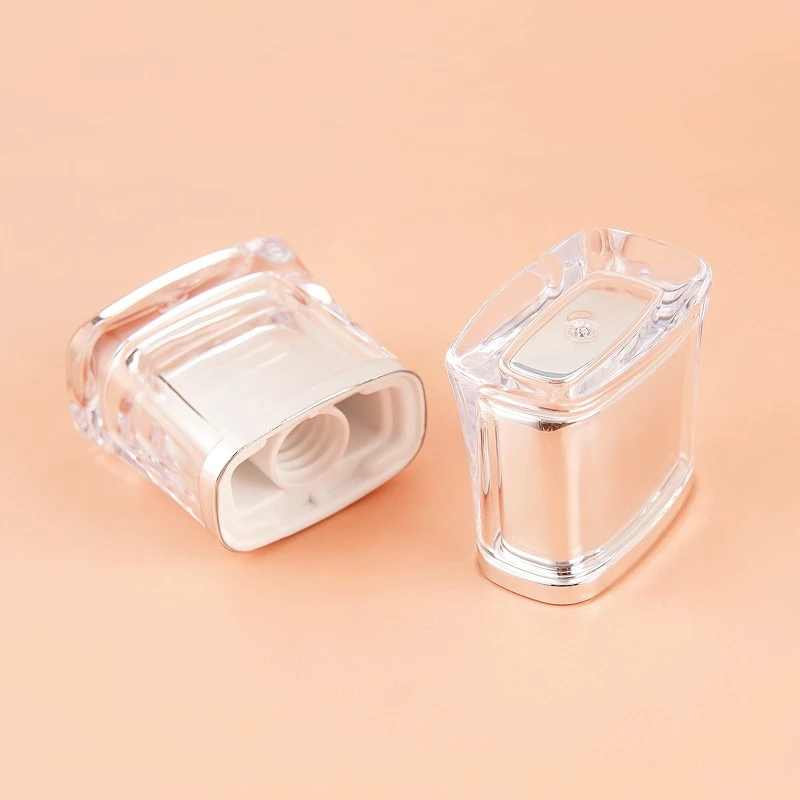
Plastic caps come in a wide range of shapes and designs. For example, Acrylic Cap for Cosmetic Tube often has a smooth and transparent appearance, which is suitable for cosmetic products to showcase the contents. The acrylic material gives it a high - gloss finish, making it look elegant.
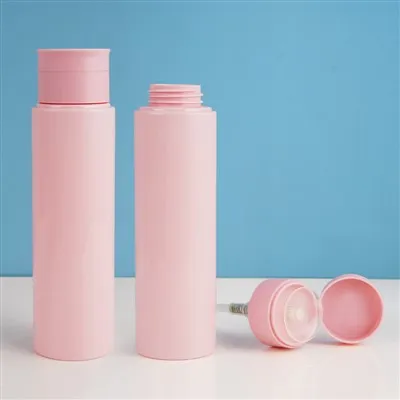
On the other hand, Plastic Screw Cap has a threaded design. The threads are used to screw the cap onto the container, providing a tight seal. This type of cap is commonly used in many industries, such as food, beverage, and pharmaceutical, because it can prevent leakage and keep the contents fresh.
The Cosmetic Tube Thin Waist Cap has a unique thin - waist design. This design not only adds an aesthetic touch to the cosmetic tube but also provides a comfortable grip for users. It is specifically designed for cosmetic tubes to enhance the overall look and usability of the product.
Color
Color can also be an indicator of the type of plastic cap. Some plastics are naturally colored, while others are dyed. For example, clear or transparent plastic caps are often made of materials like acrylic or polycarbonate. These materials are used when the visibility of the product inside the container is important, such as in cosmetic or food products.
Colored plastic caps can be made from various materials, and the color can be used for branding or to distinguish different product lines. For instance, a company may use a specific color for its premium product line to make it stand out on the shelves.
Material Analysis
Another important aspect of identifying plastic caps is to analyze the material they are made of. Different materials have different properties, which can affect the performance and suitability of the cap for a particular application.
Density
One way to determine the material of a plastic cap is by measuring its density. Different plastics have different densities. For example, polyethylene (PE) has a relatively low density, while polycarbonate (PC) has a higher density. You can use a simple density test by placing the cap in a liquid with a known density. If the cap floats, it has a lower density than the liquid; if it sinks, it has a higher density.
Chemical Resistance
Chemical resistance is also a key factor in identifying plastic caps. Some plastics are more resistant to certain chemicals than others. For example, polypropylene (PP) is resistant to many organic solvents, making it suitable for use in containers that hold chemicals or cleaning products. On the other hand, polystyrene (PS) is less resistant to solvents and may dissolve or deform when in contact with certain chemicals.
Melting Point
The melting point of a plastic cap can also provide clues about its material. Different plastics have different melting points. For example, polyethylene has a relatively low melting point, around 110 - 130°C, while polycarbonate has a much higher melting point, around 220 - 260°C. You can use a heat source to gently heat the cap and observe at what temperature it starts to melt or deform.
Function and Application
The function and application of the plastic cap can also help in its identification.
Sealing Function
Some plastic caps are designed for a tight seal to prevent leakage. For example, snap - on caps are often used for products that need a quick and easy seal, such as yogurt containers. These caps have a flexible lip that snaps onto the container, creating a seal.
Screw - on caps, as mentioned earlier, provide a more secure and tight seal. They are commonly used for products that need to be stored for a long time or that are prone to leakage, such as liquid medications or cooking oils.
Dispensing Function
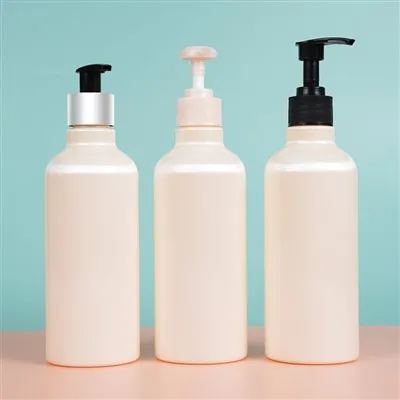
Some plastic caps are designed with a dispensing function. For example, flip - top caps are often used for products like shampoo or hand sanitizer. These caps have a hinged lid that can be easily opened and closed, allowing for controlled dispensing of the product.
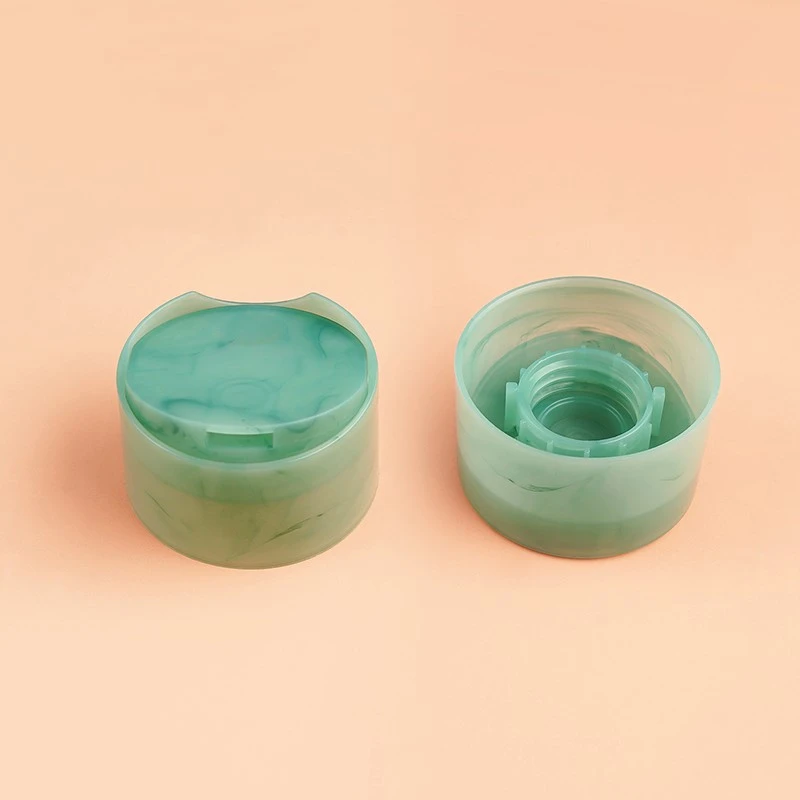
Spray caps are used for products like hairspray or perfume. They have a mechanism that allows the product to be sprayed in a fine mist.
Compatibility with Containers
The compatibility of the plastic cap with the container is also an important consideration. Different types of containers require different types of caps.
Thread Size and Type
For screw - on caps, the thread size and type must match the container. If the thread size is incorrect, the cap may not fit properly, leading to leakage. There are different thread standards, such as metric and imperial, and it's important to ensure that the cap and container have the same thread standard.
Diameter and Shape
The diameter and shape of the cap must also match the container. For example, a round cap is suitable for a round container, while a square or rectangular cap may be used for a container with a corresponding shape.
Conclusion
Identifying the type of plastic cap is a multi - faceted process that involves visual inspection, material analysis, consideration of function and application, and compatibility with containers. As a plastic cap supplier, I understand the importance of providing the right type of caps for different products. Whether you are a manufacturer looking for the perfect cap for your product or a consumer interested in the quality of the caps on the products you buy, these identification methods can be very useful.
If you are in need of high - quality plastic caps for your products, I encourage you to contact us for a procurement discussion. We have a wide range of plastic caps, including Acrylic Cap for Cosmetic Tube, Plastic Screw Cap, and Cosmetic Tube Thin Waist Cap, to meet your specific needs.
References
- "Plastic Materials and Their Properties" by John A. Brydson
- "Handbook of Plastic Packaging Technology" by Wilmer A. Jenkins and James P. Harrington