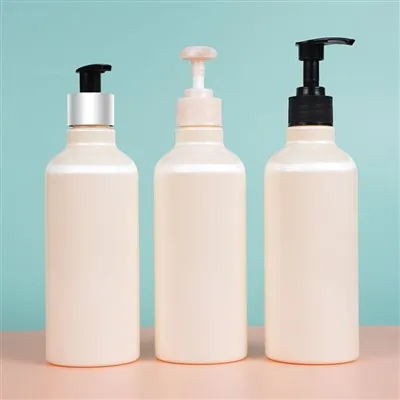

As a supplier of plastic pumps, I understand the importance of keeping these products clean. A clean plastic pump not only ensures the quality of the product it dispenses but also extends the pump's lifespan. In this blog, I'll share some effective methods on how to clean a plastic pump.
Why Cleaning Plastic Pumps is Essential
Before diving into the cleaning process, let's first understand why it's crucial to clean plastic pumps. Over time, residues from the substances they dispense can build up inside the pump. This can lead to clogs, which affect the pump's performance. For instance, if a pump is used for dispensing lotions, the lotion can dry up and block the nozzle or the internal passageways. Moreover, dirty pumps can also contaminate the product being dispensed, which is especially important in industries like cosmetics and pharmaceuticals.
Pre - cleaning Preparations
Before starting the cleaning process, gather the necessary materials. You will need a mild detergent, warm water, a small brush (such as an old toothbrush), and a clean cloth. Make sure to wear gloves to protect your hands from any chemicals or residues.
First, remove the plastic pump from the container. This is usually a simple process of unscrewing the pump from the bottle. Once removed, inspect the pump for any visible signs of damage, such as cracks or loose parts. If you notice any damage, it may be necessary to replace the pump.
Cleaning the Exterior
Start by cleaning the exterior of the plastic pump. Dip the clean cloth into a solution of mild detergent and warm water. Gently wipe the pump, paying special attention to the areas where dirt and residues are likely to accumulate, such as the nozzle and the collar. Rinse the cloth and wipe the pump again to remove any soap residue.
Cleaning the Interior
The interior of the plastic pump is where most of the residues build up. Fill a small container with warm water and add a small amount of mild detergent. Submerge the pump in the soapy water and let it soak for about 15 - 20 minutes. This will help loosen the residues inside the pump.
After soaking, use the small brush to gently scrub the interior of the pump. Pay close attention to the nozzle, the tube, and the valve. Be careful not to damage the delicate parts of the pump. Rinse the pump thoroughly under running water to remove all the soap and residues.
Special Considerations for Different Types of Plastic Pumps
Fine Mist Sprayer
A Fine Mist Sprayer is designed to dispense a fine mist of liquid. Due to its fine - nozzle design, it is more prone to clogs. When cleaning a fine mist sprayer, use a thin wire or a toothpick to carefully unclog the nozzle if necessary. After soaking and scrubbing, blow air through the nozzle to ensure it is clear.
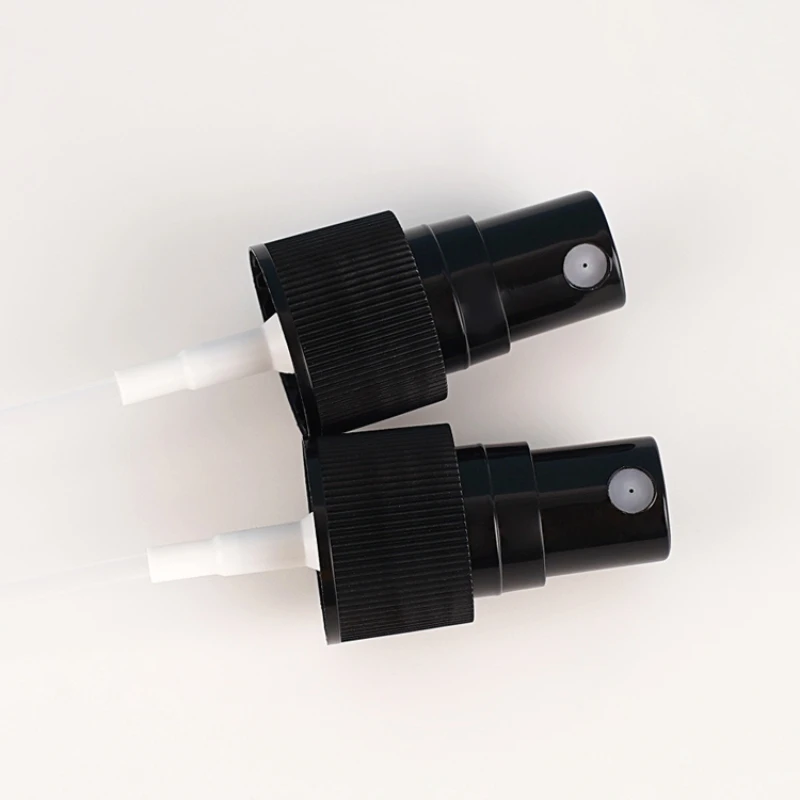
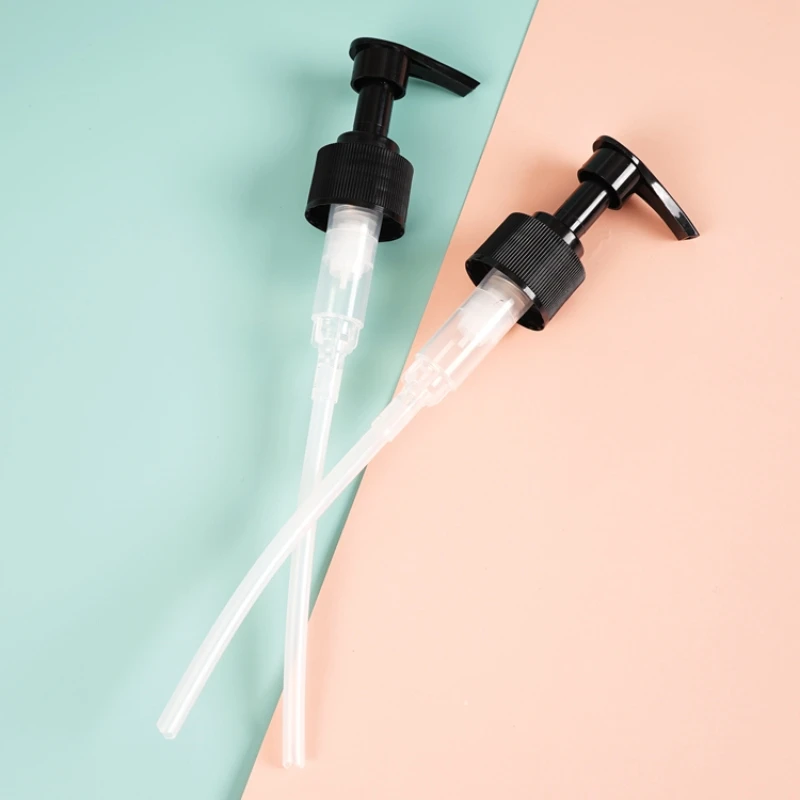
Plastic Pp Lotion Pump 24
The Plastic Pp Lotion Pump 24 is commonly used for dispensing lotions. These pumps often have a larger internal passageway, but they can still accumulate lotion residues. When cleaning, make sure to thoroughly clean the piston and the valve to ensure smooth operation.
Cosmetic Plastic Lotion Pet Spray Bottle
The Cosmetic Plastic Lotion Pet Spray Bottle is used in the cosmetic industry. Since cosmetics are often sensitive to contamination, it is essential to clean these pumps regularly and thoroughly. Use a mild, fragrance - free detergent to avoid any chemical reactions with the cosmetics.
Drying the Pump
After cleaning, it is important to dry the pump completely before re - using it. Shake off any excess water and place the pump on a clean, dry cloth. Let it air dry in a well - ventilated area. Avoid using a hair dryer or other heat sources, as excessive heat can damage the plastic.
Maintenance Tips
To keep your plastic pumps in good condition, follow these maintenance tips:
- Regular Cleaning: Establish a regular cleaning schedule based on how often the pump is used. For pumps used frequently, clean them at least once a month.
- Proper Storage: Store the pumps in a clean, dry place when not in use. Avoid exposing them to direct sunlight or extreme temperatures.
- Use Compatible Products: Make sure the substances dispensed by the pump are compatible with the plastic material. Some chemicals can cause the plastic to degrade over time.
Conclusion
Cleaning a plastic pump is a simple yet important process that can significantly improve its performance and lifespan. By following the steps outlined in this blog, you can ensure that your plastic pumps remain clean and functional.
If you are in the market for high - quality plastic pumps, we are here to help. We offer a wide range of plastic pumps suitable for various applications. Whether you need a fine mist sprayer, a lotion pump, or a spray bottle, we have the right product for you. Contact us to discuss your specific requirements and start a procurement negotiation. We look forward to serving you!
References
- "Plastic Pump Maintenance Guide" - Industry Handbook
- "Best Practices for Cleaning Plastic Containers and Pumps" - Research Paper on Packaging Materials