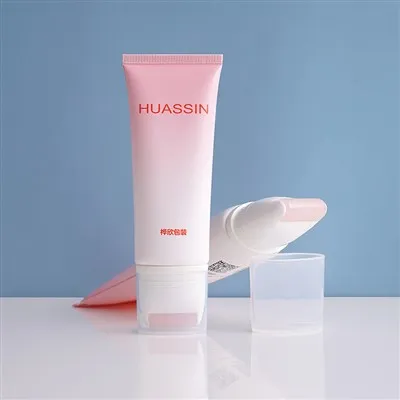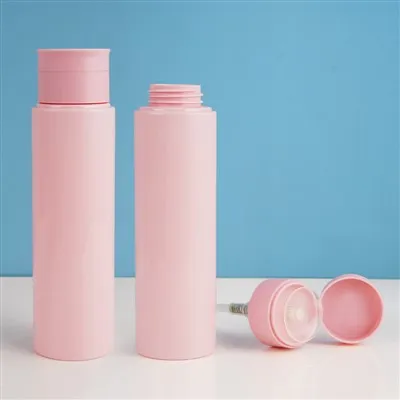

Measuring the diameter of a lipstick tube is a crucial aspect, especially for a lipstick tube supplier like me. Precise measurements are essential for ensuring the proper fit of components, quality control, and meeting the diverse needs of our customers. In this blog, I'll delve into various methods to measure the diameter of a lipstick tube, highlighting the importance of accurate measurements in our business.


Why Accurate Diameter Measurement Matters
As a lipstick tube supplier, we understand that the diameter of the tube directly impacts the functionality and aesthetics of the final product. A tube with an incorrect diameter can lead to issues such as improper cap fitting, leakage, or an unappealing appearance. For instance, if the diameter is too large, the cap may not fit snugly, allowing air to enter and potentially spoiling the lipstick. On the other hand, if the diameter is too small, the cap may be difficult to remove or could even break.
Accurate diameter measurements also play a significant role in quality control. By ensuring that each tube meets the specified diameter requirements, we can maintain a high level of consistency in our products. This is crucial for building trust with our customers and ensuring their satisfaction.
Tools for Measuring Lipstick Tube Diameter
There are several tools available for measuring the diameter of a lipstick tube. The choice of tool depends on the level of accuracy required and the specific characteristics of the tube. Here are some commonly used tools:
Vernier Caliper
A vernier caliper is a precise measuring instrument that can be used to measure the external and internal diameters of a lipstick tube. It consists of a main scale and a sliding vernier scale, which allows for accurate readings up to 0.02 mm or 0.001 inches. To measure the diameter of a lipstick tube using a vernier caliper, simply open the jaws of the caliper and place them around the tube. Make sure the caliper is perpendicular to the axis of the tube and take the reading from the scale.
Micrometer
A micrometer is another accurate measuring tool that can be used to measure the diameter of a lipstick tube. It is more precise than a vernier caliper and can measure up to 0.001 mm or 0.00005 inches. To use a micrometer, place the tube between the anvil and the spindle of the micrometer and turn the thimble until the tube is held firmly. Take the reading from the sleeve and the thimble to get the diameter measurement.
Digital Caliper
A digital caliper is a modern alternative to the traditional vernier caliper. It provides a digital display of the measurement, making it easier to read and more accurate. Digital calipers can measure up to 0.01 mm or 0.0005 inches and are available in both metric and imperial units. To measure the diameter of a lipstick tube using a digital caliper, simply open the jaws of the caliper and place them around the tube. The digital display will show the diameter measurement.
Measuring the External Diameter
The external diameter of a lipstick tube is the most common measurement and is typically used to determine the size of the tube and the compatibility of the cap. To measure the external diameter, follow these steps:
- Select the appropriate tool: Choose a measuring tool such as a vernier caliper, micrometer, or digital caliper based on the level of accuracy required.
- Prepare the tube: Make sure the tube is clean and free of any debris or markings that could affect the measurement.
- Measure the diameter: Place the measuring tool around the tube at the widest point and take the measurement. Make sure the tool is perpendicular to the axis of the tube and that the jaws or spindle are in contact with the tube.
- Record the measurement: Write down the measurement to the appropriate level of precision.
Measuring the Internal Diameter
The internal diameter of a lipstick tube is important for determining the volume of the tube and the compatibility of the lipstick bullet. To measure the internal diameter, follow these steps:
- Select the appropriate tool: Choose a measuring tool such as a vernier caliper, micrometer, or digital caliper based on the level of accuracy required.
- Prepare the tube: Make sure the tube is clean and free of any debris or markings that could affect the measurement.
- Measure the diameter: Insert the measuring tool into the tube and take the measurement at the widest point. Make sure the tool is perpendicular to the axis of the tube and that the jaws or spindle are in contact with the inner wall of the tube.
- Record the measurement: Write down the measurement to the appropriate level of precision.
Importance of Consistent Measurements
Consistency is key when it comes to measuring the diameter of lipstick tubes. Inconsistent measurements can lead to issues such as improper cap fitting, leakage, or an unappealing appearance. To ensure consistent measurements, it is important to use the same measuring tool and technique for each tube. It is also important to calibrate the measuring tool regularly to ensure its accuracy.
Our Product Range
As a lipstick tube supplier, we offer a wide range of products to meet the diverse needs of our customers. Our product range includes 10ml Plastic Round Shape Lip Gloss Tube, Clear Lip Gloss Tube, and Tube With Ultra-fine Brush Applicator. All of our products are manufactured using high-quality materials and are designed to meet the highest standards of quality and performance.
Conclusion
Measuring the diameter of a lipstick tube is a crucial aspect of our business as a lipstick tube supplier. Accurate measurements are essential for ensuring the proper fit of components, quality control, and meeting the diverse needs of our customers. By using the appropriate measuring tools and techniques, we can ensure that each tube meets the specified diameter requirements and maintains a high level of consistency in our products.
If you are interested in purchasing our lipstick tubes or have any questions about our products, please feel free to contact us. We look forward to working with you and providing you with the best possible products and services.
References
- "Measurement Techniques for Precision Manufacturing." Industrial Press, Inc.
- "Handbook of Measuring Instruments." McGraw-Hill Education.