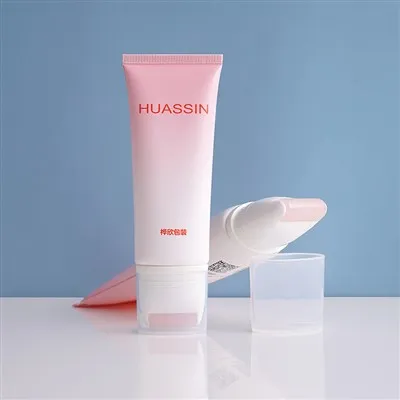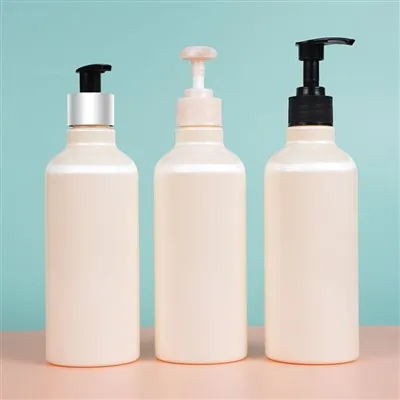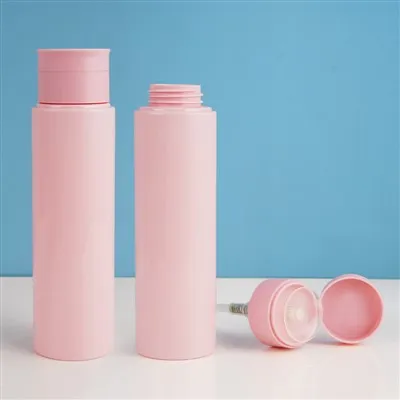

When it comes to tube packaging, the choice of cap plays a crucial role in both functionality and aesthetics. As a supplier of caps for tubes, I've witnessed firsthand the different needs and preferences of our customers. One of the most common questions we receive is about the difference between a cap with a spout and a cap without a spout. In this blog, I'll delve into the details of these two types of caps, exploring their unique features, advantages, and suitable applications.
Design and Structure
Let's start with the design. A cap without a spout is typically a simple, solid piece that fits snugly over the tube opening. It provides a straightforward seal, preventing the contents from leaking or spilling. These caps come in various shapes and sizes, such as round, oval, and square, and can be made from different materials, including plastic, metal, and rubber. For example, our Plastic Oval Cap Packaging offers a sleek and modern look, suitable for a wide range of products.
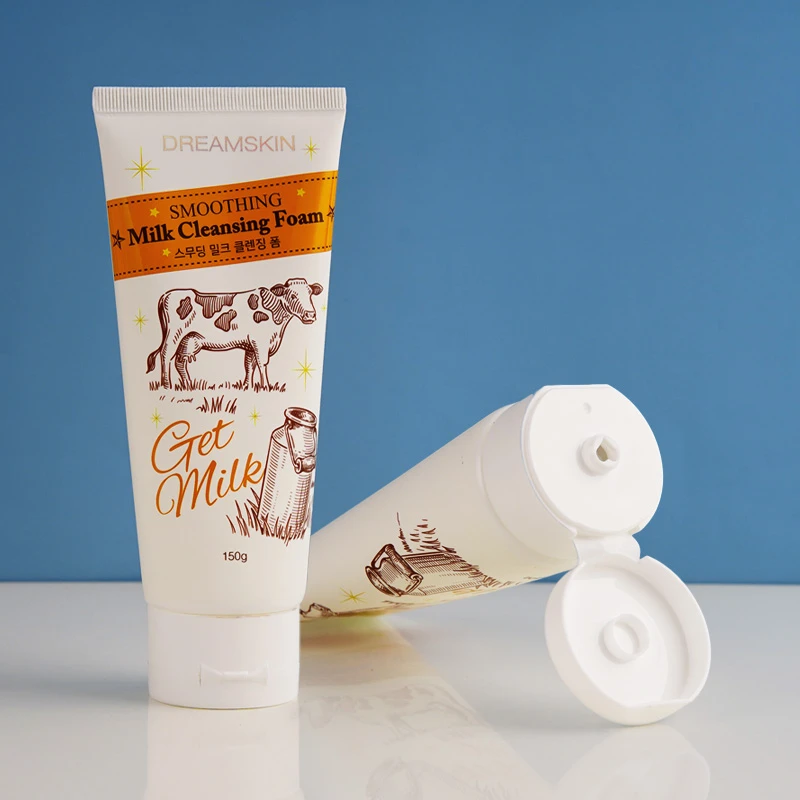

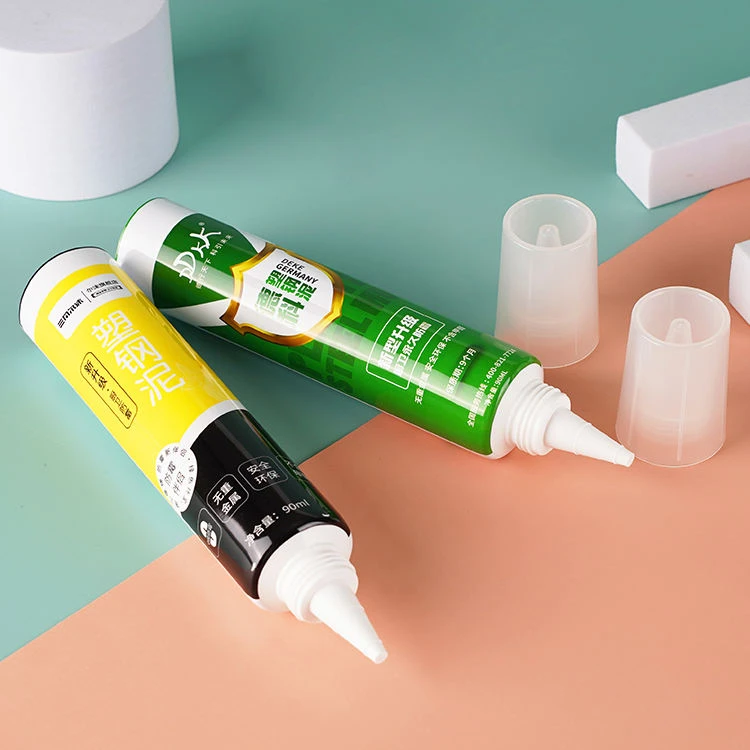
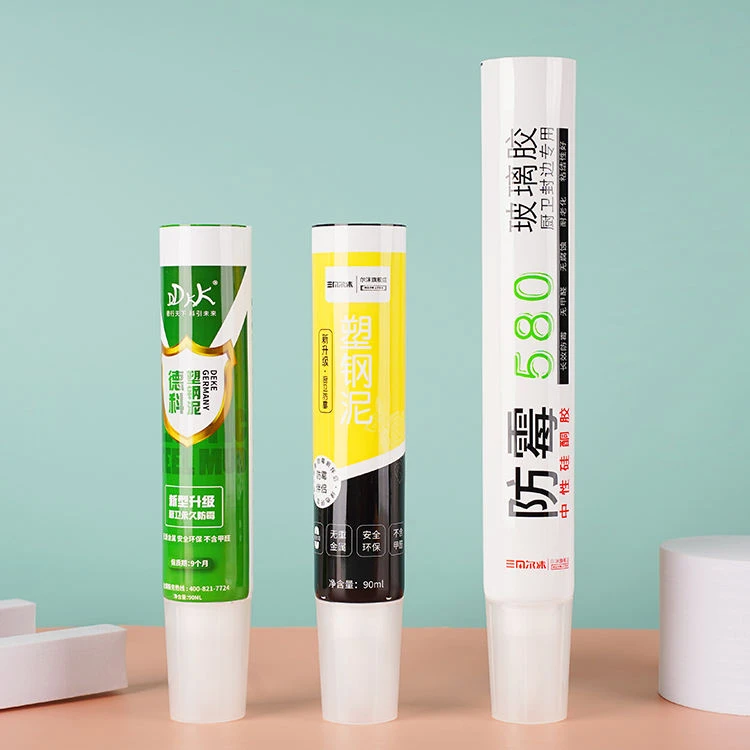
On the other hand, a cap with a spout has an additional protruding part that allows for controlled dispensing of the tube's contents. The spout can be straight, curved, or angled, depending on the specific design requirements. This type of cap is often used for products that need to be dispensed in a precise manner, such as lotions, creams, and sauces. Our Plastic Screw Cap For Tube with a spout is a popular choice for many customers due to its ease of use and reliable performance.
Functionality
The functionality of a cap is closely related to its design. Caps without spouts are mainly used for products that do not require precise dispensing. They are ideal for products like toothpaste, glue, and hair gel, where the contents are typically squeezed out in a more general way. These caps provide a tight seal, ensuring that the product remains fresh and protected from external factors such as air, moisture, and bacteria.
Caps with spouts, on the other hand, offer a higher level of control over the dispensing process. The spout allows for a more targeted application, making it easier to apply the product exactly where it is needed. This is particularly useful for products like lip balm, eye drops, and cooking oils. For instance, our Silver PE Oval Cap with a spout provides a smooth and accurate dispensing experience, making it a great choice for cosmetic and personal care products.
Advantages and Disadvantages
Both types of caps have their own advantages and disadvantages. Caps without spouts are generally simpler in design and more cost-effective. They are easy to manufacture and can be produced in large quantities. Additionally, they offer a good seal, which helps to preserve the quality of the product. However, they may not be suitable for products that require precise dispensing.
Caps with spouts, on the other hand, offer better control over the dispensing process, which can improve the user experience. They are also more suitable for products that need to be applied in a specific way. However, they are more complex in design and may be more expensive to manufacture. Additionally, the spout can sometimes become clogged or damaged, which may affect the performance of the cap.
Suitable Applications
The choice between a cap with a spout and a cap without a spout depends on the specific requirements of the product. Here are some common applications for each type of cap:
Caps without spouts:
- Toothpaste: Toothpaste is typically squeezed out in a general way, so a cap without a spout is a suitable choice.
- Glue: Glue is often applied in a more general manner, and a cap without a spout can provide a tight seal to prevent drying out.
- Hair gel: Hair gel is usually applied by squeezing the tube, and a cap without a spout can keep the product fresh and protected.
Caps with spouts:
- Lip balm: Lip balm needs to be applied precisely to the lips, so a cap with a spout is a better option.
- Eye drops: Eye drops require a very precise application, and a cap with a spout can ensure that the drops are dispensed accurately.
- Cooking oils: Cooking oils need to be poured in a controlled manner, and a cap with a spout can help to prevent spills and messes.
Conclusion
In conclusion, the choice between a cap with a spout and a cap without a spout depends on the specific needs of the product. Caps without spouts are simple, cost-effective, and suitable for products that do not require precise dispensing. Caps with spouts, on the other hand, offer better control over the dispensing process and are more suitable for products that need to be applied in a specific way. As a supplier of caps for tubes, we offer a wide range of options to meet the diverse needs of our customers.
If you're interested in learning more about our cap products or have any questions about choosing the right cap for your tube, please don't hesitate to contact us. We're here to help you find the perfect solution for your packaging needs.
References
- Packaging Machinery Manufacturers Institute. (n.d.). Packaging Basics: Caps and Closures. Retrieved from https://www.packmach.org/resources/packaging-basics/caps-and-closures
- Smith, J. (2019). The Importance of Packaging Design. Journal of Packaging Science and Technology, 32(2), 123-135.