
1. Core Appearance & Design Concept
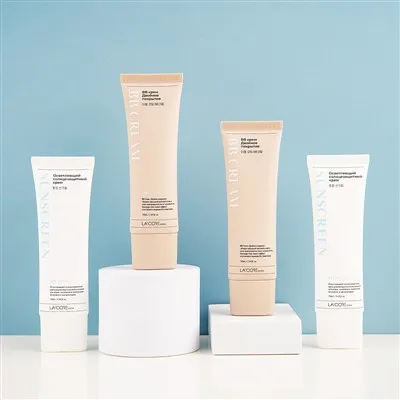
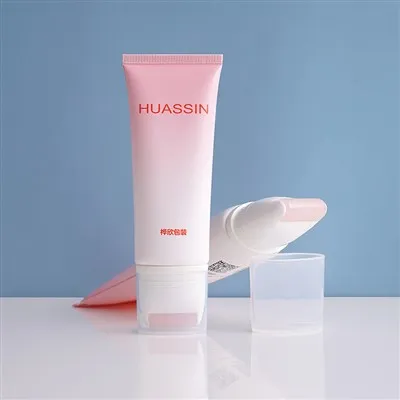
This bamboo cap eco-friendly tube packaging embodies the perfect fusion of nature and minimalism. The main body features a matte off-white tube with a smooth, unadorned surface, conveying a clean and pure visual appeal. The cap, crafted from natural bamboo, showcases clear, warm textures-each unique grain serves as a distinct mark, breaking free from the homogenization of traditional plastic packaging. The combination of the two materials retains the lightweight, squeezable convenience of plastic tubes while elevating the product's premium appeal and approachability through bamboo's natural texture, making it ideal for brands focused on natural skincare, organic personal care, and herbal beauty that emphasize "purity and sustainability".
In terms of details, the design balances practicality and sustainability. The bamboo cap uses a threaded seal structure, compatible with various tube mouth calibers to prevent leakage during transportation and use. Treated with an eco-friendly coating, the cap retains its natural touch while enhancing water and stain resistance, avoiding mold and deformation in daily use. Additionally, the tube body is made of recyclable single-material plastic, echoing the renewable nature of the bamboo cap. This creates a full-chain eco-friendly design from packaging to accessories, making "sustainability" more than just a concept, but a detail woven throughout the product.
2. Core Material Analysis: Environmental Advantages & Properties of Bamboo
As the highlight of the packaging, the use of bamboo caps reflects the brand's deep response to the sustainable packaging trend. Bamboo is one of the world's fastest-growing renewable resources, with some varieties maturing in just 3-5 years-far faster than traditional wood, which takes decades. During growth, bamboo absorbs large amounts of carbon dioxide, playing an active role in mitigating the greenhouse effect. Each bamboo cap used is a step toward low-carbon environmental protection.
From an environmental perspective, bamboo is naturally biodegradable, decomposing gradually by microorganisms in the natural environment without leaving long-term residue or causing secondary pollution like plastic accessories. Its natural antibacterial properties eliminate the need for additional chemical antibacterial coatings, reducing the use of harmful substances in production and further lowering environmental impact. Moreover, bamboo's combination of hardness and toughness, enhanced by special processing, makes the caps resistant to deformation and cracking-comparable in durability to traditional plastic caps. It truly achieves the balance of "eco-friendly and practical".
The tube body is also made of eco-friendly materials, using recyclable PE/PCR plastic as raw material, with optional bio-based plastic (such as sugarcane-based PE) to reduce reliance on petroleum-based materials. The single-material design avoids recycling difficulties caused by mixed materials, allowing consumers to easily sort and recycle the tube and bamboo cap after use, reducing recycling costs and complexity.
3. Industry Background: The Sustainable Transformation Wave in Beauty Packaging
In recent years, the global beauty industry has undergone a profound green transformation, with sustainable packaging evolving from a "bonus" to a "necessity". Industry data shows that the beauty industry generates over millions of tons of plastic packaging waste annually, with disposable tubes and caps being major contributors due to mixed materials and recycling challenges. As consumer environmental awareness grows, more brands are shifting to recyclable, biodegradable, and renewable packaging solutions, with bamboo packaging emerging as a key trend.
As a major beauty producer and consumer, China has introduced multiple policies to promote green packaging, including restricting single-use plastics, advocating lightweight packaging, and encouraging the use of recyclable materials. At the 2025 Shanghai CBE Beauty Expo, numerous packaging companies showcased eco-friendly products made of bamboo, paper, and bio-based materials, with bamboo cap tubes and jars taking center stage, reflecting the industry's urgent demand for sustainable solutions. The launch of this bamboo cap eco-friendly tube packaging aligns perfectly with this trend, offering brands a solution that balances aesthetics, practicality, and environmental friendliness.
At the same time, consumer demand for natural and organic beauty products continues to rise, with higher expectations for packaging sustainability. Surveys show that over 70% of consumers are willing to pay a premium for products with eco-friendly packaging, preferring transparent, recyclable options. The natural texture and eco-friendly attributes of bamboo cap tubes meet this preference, helping brands convey their sustainable and pure values while enhancing shelf visibility as a key tool for differentiation.
4. Application Scenarios & Suitable Brand Types
This bamboo cap eco-friendly tube packaging is highly versatile, covering almost all tube-based beauty products and extending to personal care and household products. In the beauty sector, it suits hand creams, body lotions, facial cleansers, makeup removers, and hair masks. In personal care, it adapts to toothpaste, conditioners, and shower gels, with customization options for niche products like natural ointments and pet care items.
For brands, this packaging is particularly suitable for three categories: 1. Natural, organic, and herbal skincare brands, where bamboo's natural texture aligns with brand values; 2. Eco-conscious emerging beauty brands, using packaging to communicate environmental commitments; 3. Premium or limited-edition products, where the premium feel and unique grain of bamboo caps enhance perceived value. Additionally, bamboo caps support customization through laser engraving and hot stamping, allowing brands to add logos, product information, or patterns to integrate packaging into their visual identity.
5. Future Trends & Value of Sustainable Packaging
The launch of this bamboo cap eco-friendly tube packaging is not just a product release, but a microcosm of the beauty packaging industry's sustainable transformation. Looking ahead, eco-friendly packaging will evolve in three directions: 1. Material innovation, with more renewable and biodegradable materials (bamboo, straw, mycelium) replacing traditional plastics; 2. Design optimization, with single-material, modular, and refillable designs becoming mainstream to reduce recycling difficulties and waste; 3. Full-chain sustainability, decarbonizing the entire lifecycle from raw material extraction and production to recycling.
Socially, the popularization of such eco-friendly packaging will reduce plastic waste and ease environmental pressure. For brands, sustainable packaging has become a key part of corporate social responsibility, building consumer trust and loyalty. For the industry, it drives technological innovation and industrial upgrading, leading the sector toward a greener, healthier future. This bamboo cap tube packaging is a pioneer in this trend, proving that environmental protection, aesthetics, and practicality can coexist perfectly, offering a replicable model for the beauty industry's green future.
6. Usage & Recycling Tips
To maximize the sustainable value of this eco-friendly packaging, follow these usage and recycling recommendations:
Daily Use: Avoid prolonged immersion of the bamboo cap in water; dry it after use to extend its lifespan. Squeeze out all contents from the tube to minimize residue for easier recycling.
Recycling Process: Sort the tube and bamboo cap separately. Dispose of bamboo caps in recyclable waste or dedicated bamboo recycling channels, and place the tube in the corresponding plastic recycling bin according to its material label. If local brand recycling programs are available, drop off packaging at designated points for circular reuse.
Upcycling: Cleaned tubes can be used for sample storage or organizing small items, while bamboo caps can serve as mini storage boxes or decorative pieces, extending the packaging's lifecycle.