
Hey there! As a supplier of plastic tubes, I often get asked a bunch of questions about the products we offer. One question that pops up quite a bit is, "Are plastic tubes resistant to ozone?" Well, let's dive right into this topic and find out.
First off, let's talk a bit about ozone. Ozone is a gas made up of three oxygen atoms. It's found in the Earth's atmosphere, and while it's great up there protecting us from the sun's harmful UV rays, it can be a bit of a troublemaker when it comes to certain materials. Ozone is a powerful oxidizing agent, which means it can react with and break down many substances.
Now, when it comes to plastic tubes, the answer to whether they're resistant to ozone isn't a simple yes or no. It depends on a few factors, like the type of plastic used to make the tube.
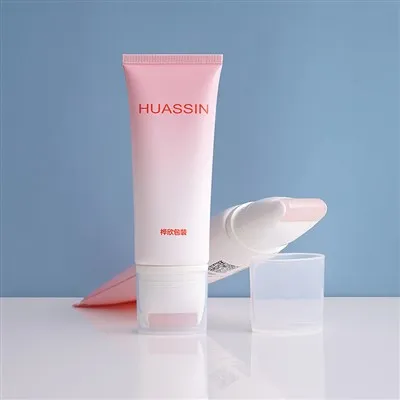
There are different kinds of plastics that we use to manufacture our plastic tubes. For example, polyethylene (PE) is a common choice. PE is a versatile plastic that's used in a wide range of applications, including our Screen Printing Facial Cleanser Tube. This type of plastic has some level of resistance to ozone, but it's not completely immune.
The resistance of PE to ozone can vary depending on its density. High - density polyethylene (HDPE) generally has better ozone resistance compared to low - density polyethylene (LDPE). HDPE has a more compact molecular structure, which makes it a bit more difficult for ozone to penetrate and cause damage.
Another factor that affects ozone resistance is the additives in the plastic. Some manufacturers add antioxidants and other stabilizers to the plastic during the manufacturing process. These additives can help improve the plastic's resistance to ozone by preventing or slowing down the oxidation process.
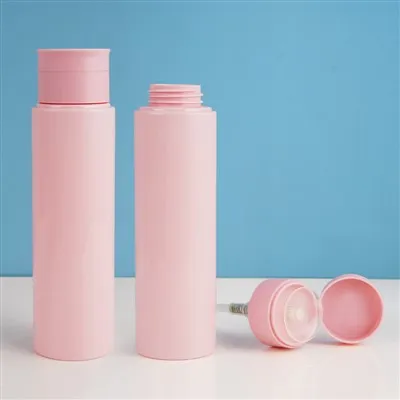
For instance, our 100ml 120ml Customized PE Plastic Cosmetic Plastic Tube Facial Cleanser Squeeze Tube Skincare Cream Container With Screw Lid is made with high - quality PE and may have additives that enhance its ozone resistance. This is important because cosmetic products are often stored in various environments, and ozone exposure could potentially affect the integrity of the tube and the product inside.
On the other hand, some plastics are more vulnerable to ozone. For example, polyvinyl chloride (PVC) is known to be less resistant to ozone. PVC can degrade when exposed to ozone, which can lead to cracking, discoloration, and a loss of mechanical properties.
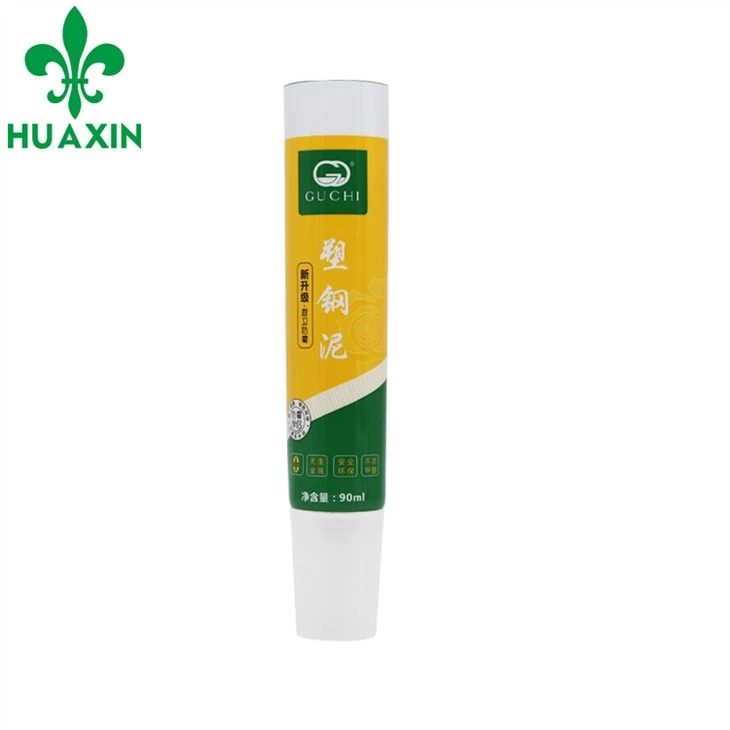
When it comes to our Glue Packaging Tube, we carefully select the plastic material to ensure it can withstand the environmental conditions it might be exposed to. Glue tubes need to be durable and resistant to factors like ozone, as they may be stored in different places and could come into contact with ozone in the air.
If you're planning to use plastic tubes in an environment with high ozone levels, it's crucial to choose the right type of plastic. You might want to opt for tubes made from materials with better ozone resistance, like HDPE. You can also ask us about the additives used in our tubes to get a better idea of their ozone - resistant properties.
Now, let's talk about how ozone affects plastic tubes in real - world scenarios. In industrial settings where there are high levels of ozone, such as in some chemical manufacturing plants or areas with electrical equipment that generates ozone, plastic tubes need to be able to hold up. If a tube is not ozone - resistant, it can start to break down over time. This can lead to leaks, which can be a big problem, especially if the tube is holding a valuable or hazardous substance.
In outdoor environments, ozone levels can also vary. Areas with high levels of pollution may have higher ozone concentrations. If you're using plastic tubes for outdoor applications, like in agriculture or for storing outdoor - use chemicals, you need to consider the ozone exposure.
To test the ozone resistance of our plastic tubes, we conduct various tests. We expose samples of the tubes to controlled ozone environments and monitor how they perform over time. This helps us ensure that our products meet the necessary standards and can withstand the conditions they're likely to encounter.
So, in conclusion, plastic tubes can have different levels of ozone resistance depending on the type of plastic and the additives used. As a supplier, we're committed to providing high - quality plastic tubes that can meet your needs, whether you're using them for cosmetics, glue, or other applications.
If you're interested in our plastic tubes and want to know more about their ozone - resistant properties or any other aspects, don't hesitate to reach out. We're here to help you find the right solution for your packaging needs. Whether you need a large quantity for your business or just a small batch for a special project, we've got you covered.
Let's start a conversation and see how we can work together to get you the best plastic tubes for your requirements.

References
- "Polymer Science and Technology" by Carl A. Harper
- "Plastics in Packaging" by John S. Speight