
In the dynamic world of cosmetics and personal care products, cream tubes play an indispensable role. As a cream tube supplier, I've witnessed firsthand the growth and evolution of this niche market. One question that frequently arises from both manufacturers and consumers is, "Are there any regulations for cream tubes?" Today, I'll delve into this topic in detail, exploring the various rules and standards that govern these essential packaging items.
Material and Safety Regulations
The materials used in cream tubes are under strict scrutiny to ensure they are safe for both the product inside and the end - user. The primary materials for cream tubes typically include plastic, aluminum, and laminate.
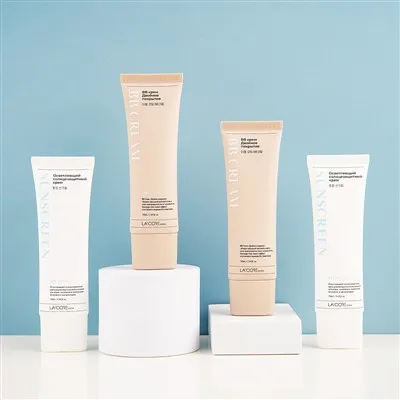
Plastic tubes, which are widely used due to their affordability and flexibility, must comply with food - grade and cosmetic - grade standards. In the United States, the Food and Drug Administration (FDA) regulates the use of plastics in contact with food and cosmetics. For example, polymers like polyethylene (PE) and polypropylene (PP) are commonly used for cream tubes because they are generally recognized as safe (GRAS). PE is often used in Round PE Tube Packaging Squeeze Tubes due to its excellent chemical resistance and low cost.
Aluminum tubes are favored for their barrier properties, protecting the cream from oxygen, light, and moisture. However, they need to be lined to prevent any reaction between the aluminum and the product. The lining materials also need to meet safety standards. In Europe, the European Union has established regulations on the use of metals in packaging, ensuring that there is no migration of harmful substances into the cream.
Laminate tubes, which combine layers of different materials, offer a balance between the benefits of plastic and aluminum. When manufacturing laminate tubes, each layer and its adhesive must comply with relevant safety regulations. Manufacturers need to test the tubes to ensure that they do not leach any harmful chemicals into the cream over time.
Labeling Regulations
Labeling is another crucial aspect of cream tube regulations. The label on a cream tube must provide accurate and clear information about the product inside. This includes the product name, ingredients, usage instructions, expiration date, and storage conditions.
In many countries, the ingredients list must be in descending order of their concentration in the product. For example, if a particular chemical is the most abundant ingredient, it should be listed first on the label. This helps consumers with allergies or sensitivities to make informed decisions.
The usage instructions should be easy to understand. They should indicate how much cream to use, how often to apply it, and any precautions to take. The expiration date is important as it guarantees the quality and safety of the cream. Mislabeling the expiration date can lead to legal consequences for both the tube supplier and the cream manufacturer.
The storage conditions, such as whether the cream should be kept at room temperature or in the refrigerator, must also be clearly stated on the label. This helps maintain the integrity of the cream and ensures its effectiveness.
Packaging Design and Functionality Regulations
The design and functionality of cream tubes are also subject to regulations. The tube should be easy to open and close, especially for consumers with limited dexterity. Child - resistant caps are required for many products, especially those containing potentially harmful substances.
The tube should also be able to dispense the cream evenly. Uneven dispensing can lead to consumer dissatisfaction and product waste. Many manufacturers conduct tests to ensure that the tube can deliver the cream smoothly from start to finish.
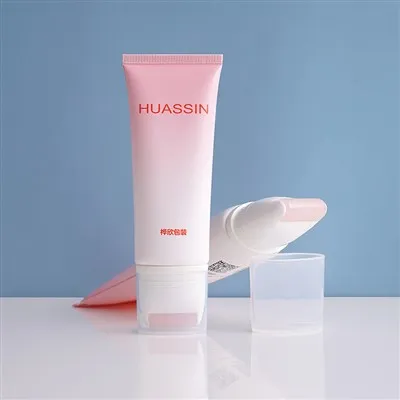
The size and shape of the tube are also taken into consideration. For example, D35mm 30ml Cc Cream Tube and 100ml Facial Cleanser Cream Container Tube With Spatula Applicator are designed to meet specific market demands. However, they still need to comply with regulations regarding minimum and maximum fill volumes, ensuring that consumers get the amount of product they pay for.
Environmental Regulations
In recent years, environmental concerns have become a major focus in the packaging industry, including cream tubes. Many countries are implementing regulations to reduce the environmental impact of packaging waste.


Recyclability is a key aspect of these regulations. Plastic tubes need to be made from recyclable materials, and manufacturers are often required to provide information on how to recycle the tubes. Aluminum tubes are generally more easily recyclable than plastic ones, but they still need to be properly separated from other waste.
Some regions are also promoting the use of biodegradable or compostable materials for packaging. While the technology for biodegradable cream tubes is still in its early stages, it is expected to become more widespread in the future as the demand for sustainable packaging grows.
International and Regional Variations
It's important to note that regulations for cream tubes can vary significantly from one country or region to another. For example, the cosmetic regulations in the United States are different from those in the European Union. The EU has a more comprehensive and strict set of regulations, covering everything from product safety to animal testing.
In Asia, countries like Japan and South Korea have their own unique regulations. Japan, for instance, has very high standards for cosmetic packaging, especially in terms of hygiene and safety. South Korea is known for its innovative approach to cosmetic product design and packaging, but it also has strict regulations to ensure consumer protection.
Our Role as a Cream Tube Supplier
As a cream tube supplier, we play a crucial role in ensuring that our products comply with all relevant regulations. We work closely with our manufacturers to source the highest - quality materials and conduct rigorous quality control tests.
We also keep up - to - date with the latest regulatory changes in different regions. This allows us to offer our customers a wide range of Pastic Tube Packaging For Cosmetics and Cosmetic Tube With Pump Cap that meet their specific requirements.
If you are a cream manufacturer looking for high - quality and compliant cream tubes, we are here to help. Our team of experts can provide you with detailed information on the regulations in different markets and recommend the most suitable tube solutions for your products. Whether you need a small quantity for a trial run or a large - scale production order, we have the capacity and expertise to meet your needs.
Contact us today to start a discussion about your cream tube requirements. We look forward to working with you to bring your high - quality cream products to the market safely and efficiently.
References
- "Cosmetics Packaging Regulations Guide" by Global Cosmetics Industry Association
- "FDA Regulations on Plastic Packaging for Cosmetics" by the US Food and Drug Administration
- "EU Cosmetics Regulation" by the European Union
- "Japanese Standards for Cosmetic Packaging" by the Japanese Ministry of Health, Labour and Welfare