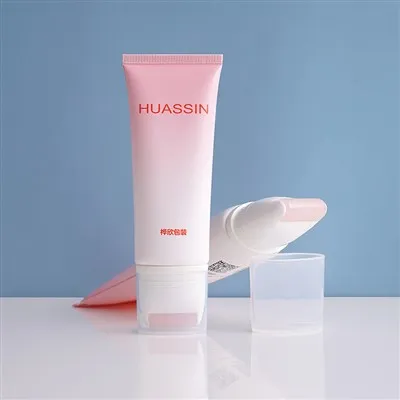

As a glue tube supplier, I know how crucial it is to ensure the quality of our products. In this blog post, I'll share some practical ways to test the quality of a glue tube. It's not just about looking good or feeling right; there are several aspects to consider.
I. Physical Inspection
The first step is a simple physical inspection. When you get a glue tube, take a close look at it. Start with the exterior. The tube should be free of any visible cracks, dents, or scratches. A damaged tube can lead to leaks, which is a big no - no.
Check the seams of the tube. For Adhesive Glue Tube, especially those made of plastic, the seams should be well - bonded. If there are any gaps or uneven bonding, it can affect the integrity of the tube and might cause the glue to seep out.
The cap is also a critical part. It should fit snugly on the tube. Try opening and closing it a few times. The action should be smooth, without any excessive force required. If the cap doesn't fit well, air can get into the tube, which may dry out the glue over time.
Another thing to inspect is the labeling. Does it clearly show the type of glue, usage instructions, and safety warnings? A well - labeled tube indicates that the manufacturer has taken the time to ensure proper communication with the user.
II. Leakage Test
Leakage is one of the most common issues with glue tubes. To test for leakage, you can use a simple method. First, fill the tube with a small amount of water (instead of actual glue, as it's easier to clean up). Then, tightly close the cap and gently squeeze the tube. Pay attention to the seams, the bottom, and the neck where the cap attaches.
If you notice any water seeping out, it's a sign that the tube has a leakage problem. This test is especially important for Glue Packaging Tube because if the glue leaks during transportation or storage, it can be a huge mess and a waste of product.
You can also try the pressure test. After filling the tube with water, place it in a sealed plastic bag and slowly squeeze the bag to increase the pressure on the tube. If there are any weak points in the tube, the water will start to leak.
III. Compatibility Test
If you're storing different types of glue in the tube, it's essential to test the compatibility. Different glues have different chemical compositions, and some may react with the material of the tube.
For example, if you're using a Plastic Glue packaging Tube, certain strong solvents in the glue might dissolve or weaken the plastic over time. To perform a compatibility test, you can fill a small sample tube with the glue and let it sit for a few days.
Check the tube for any signs of discoloration, swelling, or softening. If you notice any changes, it means the glue and the tube material are not compatible. This can lead to the failure of the tube and the glue not performing as expected.
IV. Ejection and Dispensing Test
One of the key functions of a glue tube is to dispense the glue evenly and smoothly. To test this, fill the tube with the glue and try to dispense it. The glue should come out in a steady stream without any clogs or blobs.
The force required to squeeze the tube should be reasonable. If it's too hard to squeeze, it can be difficult for the user to use the glue effectively. On the other hand, if the tube collapses too easily, it might dispense too much glue at once.
For Twist Off Tube Packaging, make sure that the twist - off mechanism works properly. You should be able to open and close it easily, and the tube should not leak when it's closed.
V. Durability Test
A good glue tube should be durable enough to withstand normal handling, transportation, and storage. To test the durability, you can subject the tube to some simulated real - world conditions.
For example, drop the tube from a small height (about 1 - 2 feet) onto a hard surface a few times. Check for any damage or leakage. You can also try bending the tube slightly to see if it cracks or breaks.
If you expect the tubes to be exposed to different temperatures during storage or use, perform a temperature test. You can place the tube in a freezer for a few hours and then let it warm up to room temperature. Repeat this cycle a few times and check for any signs of damage.
VI. Chemical Resistance Test
Glue is often a chemical product, and the tube should be resistant to the chemicals in the glue. For Glue Aluminium Collapsible Tube, the aluminium should not react with the glue.
To test chemical resistance, you can soak a small piece of the tube material in a sample of the glue for an extended period. Check for any signs of corrosion, discoloration, or weakening. If the tube material starts to break down, it won't be suitable for storing the glue.
In conclusion, testing the quality of a glue tube involves a combination of physical, chemical, and functional tests. By conducting these tests, you can ensure that the tubes you supply or use are of high quality and meet the needs of your customers.


If you're interested in purchasing high - quality glue tubes, or if you have any questions about our testing methods and products, feel free to reach out for procurement discussions. We're here to provide you with the best solutions for your glue packaging needs.
References
- Packaging Technology Handbook
- Chemical Compatibility Guides for Plastics and Metals